
Digitizing Kenya’s Agricultural Value Chains

Digitizing Kenya’s Agricultural Value Chains: How KENAFF and Sauti Ya Mkulima Are Building Bankable Farmer Cooperatives
Digitizing Kenya’s Agricultural Value Chains: How KENAFF and Sauti Ya Mkulima Are Building Bankable Farmer Cooperatives
For decades, smallholder farmers and agricultural cooperatives across Kenya have faced a fundamental systemic paradox: despite cultivating vast tracts of land, managing substantial crop yields, and driving rural financial ecosystems, they remain largely invisible to formal commercial banks and financial institutions. When assessing loan eligibility, lenders do not evaluate an individual farmer’s daily hard work in isolation; they analyze the business systems, risk profile, and verifiable financial history of the cooperative representing them.

For decades, smallholder farmers and agricultural cooperatives across Kenya have faced a fundamental systemic paradox: despite cultivating vast tracts of land, managing substantial crop yields, and driving rural financial ecosystems, they remain largely invisible to formal commercial banks and financial institutions. When assessing loan eligibility, lenders do not evaluate an individual farmer’s daily hard work in isolation; they analyze the business systems, risk profile, and verifiable financial history of the cooperative representing them.

The Challenge: Why Agricultural Cooperatives Struggle with Bankability

Under the Cooperative Societies Act, Kenyan cooperatives are legally recognized, democratic, farmer-owned businesses. However, traditional financial institutions routinely classify them as high-risk borrowers due to several structural vulnerabilities:

  • Informal & Paper-Based Records: Manual ledger entries, paper delivery receipts, and cash-based transactions make audit trails nearly non-existent.
  • Data Asymmetry & Lack of Traceability: Without multi-season delivery logs, lenders cannot reliably forecast cash flows, assess repayment capacities, or determine true production volumes.
  • Governance & Operational Gaps: Overlapping roles between non-executive boards and daily management, unrecorded board resolutions, and poor internal controls undermine institutional trust.
  • Member Side-Selling: Unpredictable supply commitments erode revenue projections and increase default risks.

Core Targets of the KENAFF ACFM Project

The ACFM initiative establishes measurable milestones designed to create inclusive, climate-smart, and commercially viable farmer networks:

  • 250,000 Farmers Onboarded: Target to profile and activate a quarter-million smallholders on the Sauti Ya Mkulima platform by November 2026.
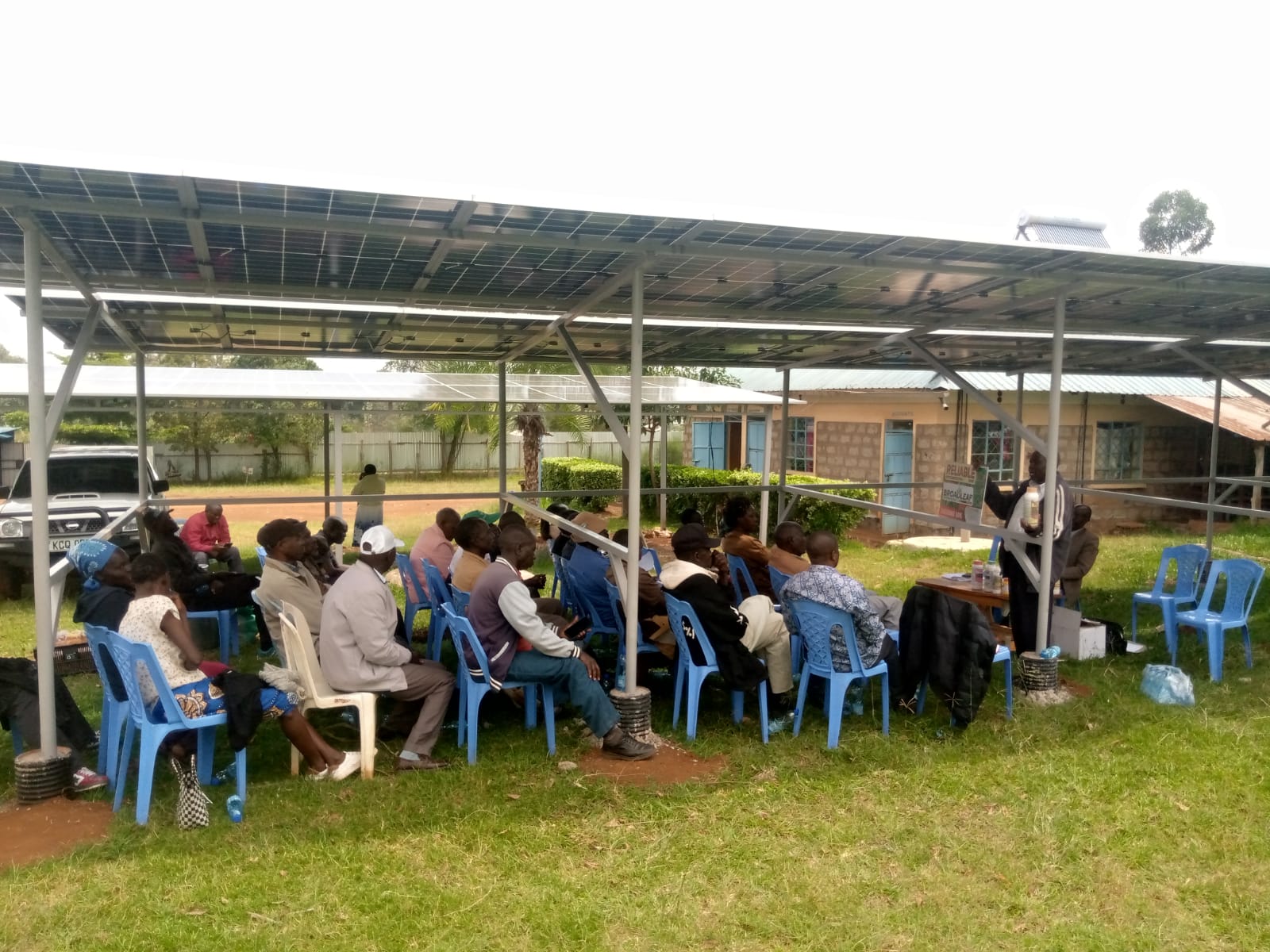
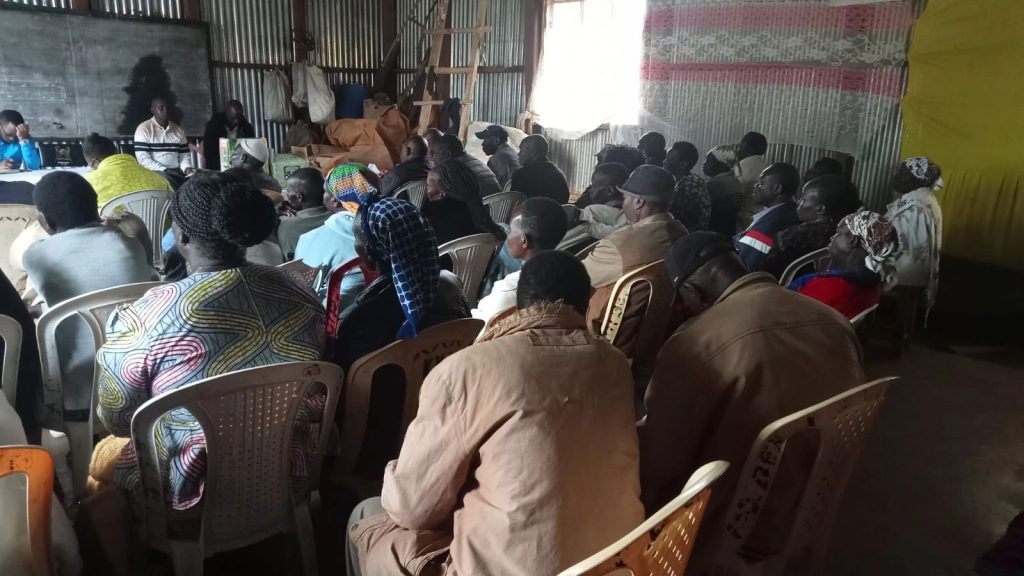
  • 200 Trainers of Trainers (TOTs): Specialized training for 200 TOTs by February 2026 covering governance, digital record-keeping, financial literacy, and technology adoption. The TOTs were also trained on the technical component of the platform, equipping them to guide cooperatives through the practical, day-to-day use of the Sauti Ya Mkulima system.
  • Gender Equity Focus: Enforcing explicit inclusion metrics—51% women farmers, 60% women TOTs, and 20% women-led cooperatives.
  • Climate & Clean Energy Integration: Promoting clean energy adoption to advance sustainable agri-food systems and build climate resilience.

Sauti Ya Mkulima: The Strategic Framework for Professionalization

Sauti Ya Mkulima is not an off-the-shelf loan application or simple app; it is a secure digital infrastructure powered by Mastercard Community Pass that establishes an unbroken digital accountability chain:

Farmer Profile  ➔  Production Data  ➔  Delivery Record  ➔  Aggregation  ➔  Payment Record  ➔  Board / Bank Report

Key pillars of this digital infrastructure include:

  • Digital Farmer Identity & Acreage Auditing: Instead of vague claims, Sauti Ya Mkulima builds precise, verifiable digital profiles detailing exact farm locations, crop choices, and acreage to enable reliable production forecasting.
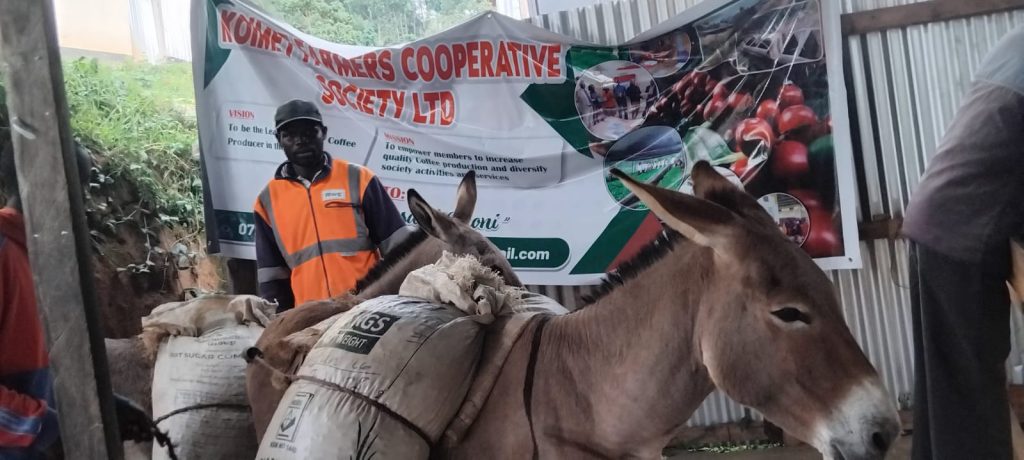
  • Live Aggregation & Volume Tracking: By recording member deliveries at local collection centers in real time, cooperatives build historical yield trends across dairy, coffee, grain, and horticulture sectors.
  • Digital Payment Documentation & Internal Controls: Digitizing delivery-to-payment linkages eliminates manual discrepancies and undocumented cash handling, establishing transparent financial records that satisfy both internal supervisory committees and external regulators like SASRA.

Practical Application Across Agricultural Value Chains

Value Chain

Operational Challenge & Intervention

Realized Business Outcome

Dairy

Daily milk deliveries logged manually; frequent payment disputes with members. Sauti Ya Mkulima provides automated daily delivery tracking with instant digital record summaries.

Reduced disputes; secured commercial working capital loans based on verifiable volume trends.

Coffee

Long cash cycles and unpredictable seasonal deliveries. Implemented seasonal cherry delivery tracking and member-by-member history logs.

Accurately forecasted seasonal cash flows and improved negotiation leverage with commercial financiers.

Rice & Grains

Undocumented bulking, storage risks, and cash-based member purchases. Digitized member registration linked directly to bulking and payment logs.

Enhanced inventory oversight, allowing data-backed working capital discussions with commercial banks.

Financial Discipline & Loan Readiness

A central pillar of the initiative is educating cooperative leadership on the crucial distinction between paper profit and cash flow liquidity:

  • Profit: Reflects total income minus expenses over a given timeframe.
  • Cash Flow: Tracks the actual movement of money in and out of the business.

Commercial banks rarely extend lines of credit based on profit alone; they evaluate whether a cooperative generates predictable, seasonal cash flows to service debt without disrupting daily payments to farmers. Sauti Ya Mkulima equips boards with stress-testing capabilities—enabling them to model how unexpected drought, market price drops, or buyer payment delays will affect their repayment capacity before taking on credit.

Conclusion: Evidence-Based Banking for African Agriculture

The KENAFF ACFM project redefines how development partners, commercial banks, and farmer organizations collaborate. By shifting from subjective trust to data-backed evidence, the combination of KENAFF’s mobilization, Mastercard’s digital architecture, and the African Development Bank’s catalytic financing ensures that Kenya’s smallholders are no longer invisible to formal financial systems.

Scroll to Top