
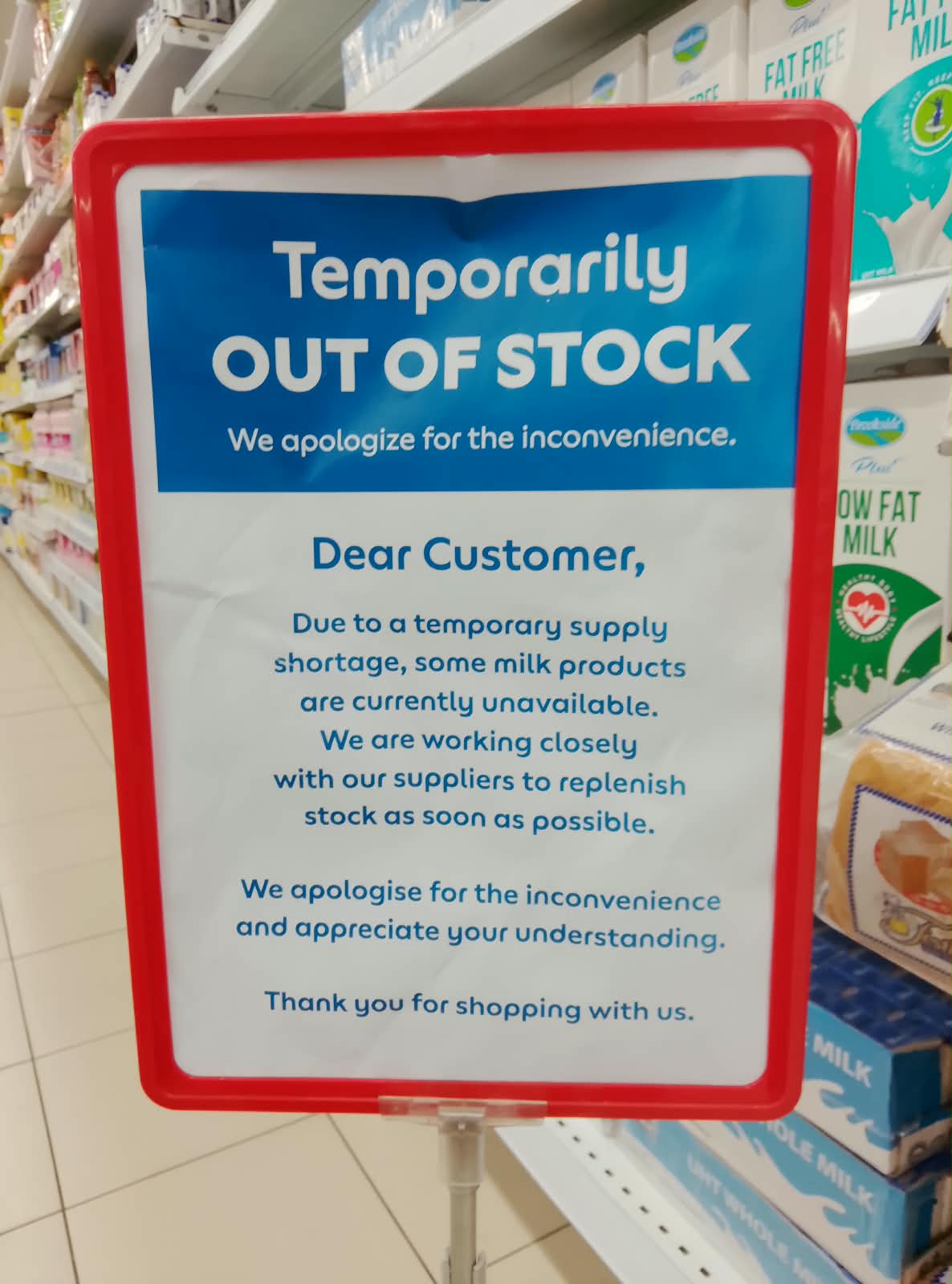
KENYA’S MILK PARADOX: TOO MUCH TODAY, TOO LITTLE TOMORROW
There is something strangely familiar about Kenya’s milk shortages! One season, farmers complain that they cannot sell all the milk their cows produce.
There is something strangely familiar about Kenya’s milk shortages! One season, farmers complain that they cannot sell all the milk their cows produce. Prices weaken. Processors struggle to absorb the surplus.
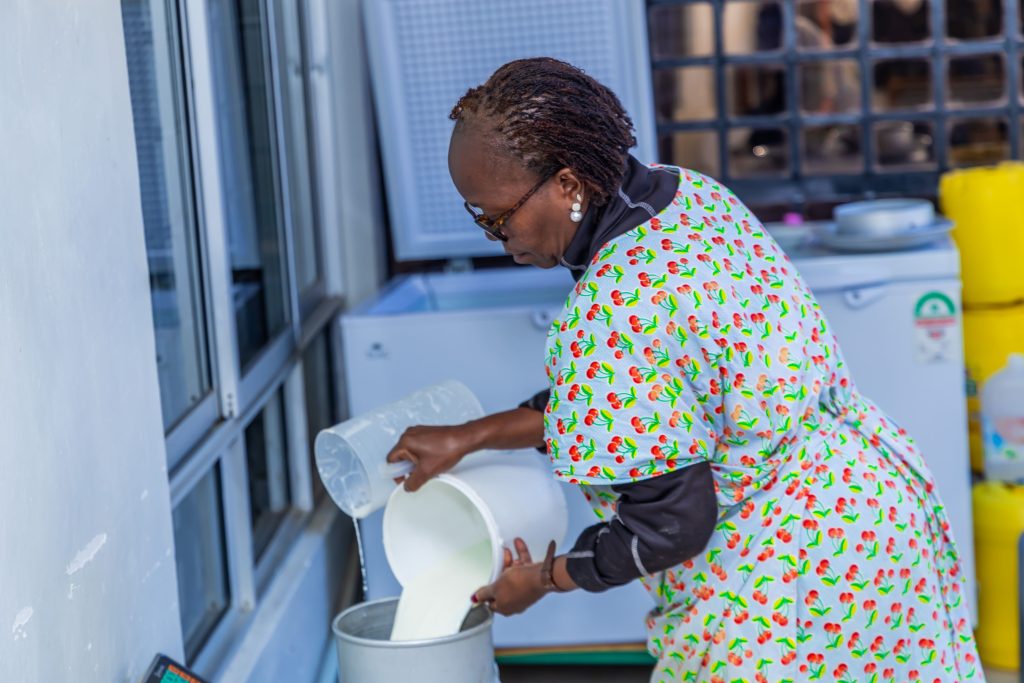
Then the rains fail, pasture thins, feed becomes expensive, cows produce less — and suddenly the country is worrying about where its next litre of milk will come from.
Kenya is in that second season, again.
Formal milk deliveries to processors fell from 84.4 million litres in June to 81.3 million litres in July 2026, a 3.7 per cent decline. The immediate pressure is familiar: Prolonged dry conditions, shrinking pasture and growing pressure on animal feed.
But weather is only part of the story.
The more interesting question is what happened to the milk when Kenya had too much of it.
Because the country’s dairy problem is not really two problems — a glut and a shortage. It is one problem viewed from opposite ends of the season.
Key takeaways
- Formal milk deliveries fell 3.7 per cent from June to July 2026, but weather is only part of the story.
- Kenya’s real challenge is what happens to surplus milk in the good season: the country cannot yet carry it through time.
- Kenya has already tested the fix, turning surplus milk into powder and releasing it in dry seasons. What is missing is a predictable system with clear rules.
The season when milk has nowhere to go
When milk is abundant, fresh milk has a very short clock. It has to be collected, cooled, processed and sold quickly. A farmer cannot put yesterday’s milk in a warehouse and wait for a better price next month.
That is where a modern dairy economy begins to differ from a merely productive one.
The question is not only how much milk Kenya can produce. It is how much of that milk can be moved through time.
Some milk can be consumed today. Some can become yoghurt or cheese. Some can become UHT or other longer-life products. Some can be converted into milk powder and held until the season turns.
The ability to move milk through time is what turns a seasonal commodity into a more resilient food system.
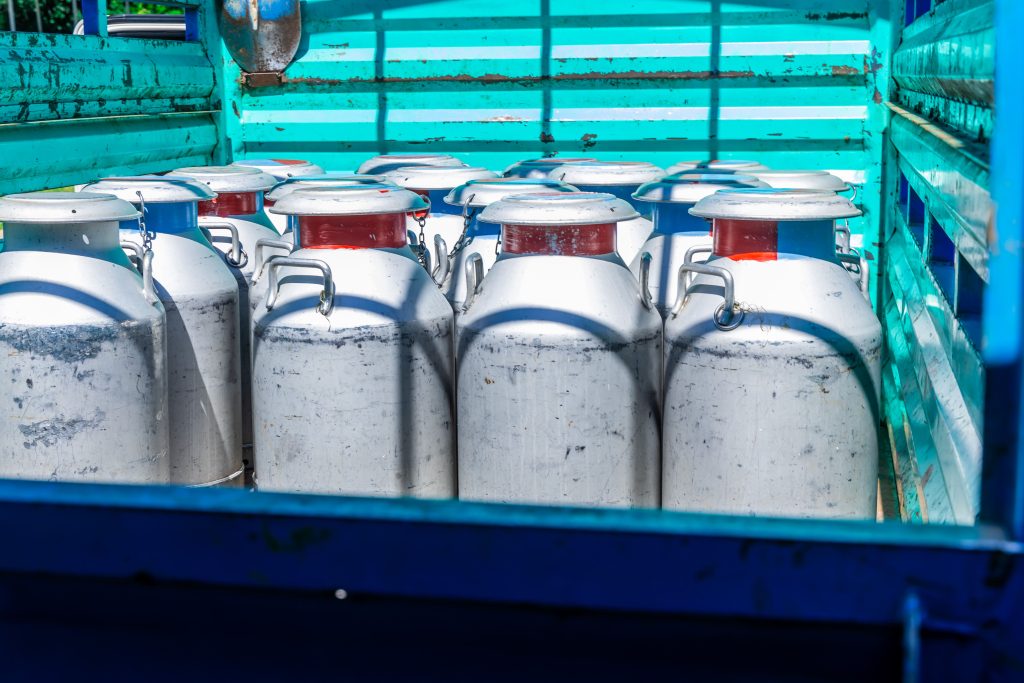
Then the milk disappears
The strange thing about Kenya’s dairy cycle is that the milk does not simply disappear when the weather changes. The capacity to produce it falls with pasture and feed availability, while demand continues.
The result is a familiar reversal. The same market that struggled to absorb milk during abundance begins to feel the pressure of scarcity months later.
For farmers, the swing can be punishing. Abundant milk can mean weaker prices and limited bargaining power. Scarce milk can mean higher production costs as farmers search for feed and fodder to keep animals producing.
The problem, then, is not that Kenya has seasons.
The problem is what the dairy economy does with them.
The milk we need tomorrow may already exist today
Kenya has already shown that it can build part of this bridge.
Government reporting says KSh4.2 billion was allocated between FY2022/23 and FY2024/25 to support the uptake of surplus milk during periods of excessive production. The same reporting says the intervention facilitated the conversion of 2,221 tonnes of milk into powder, with the reserves later reconstituted and released during dry seasons.
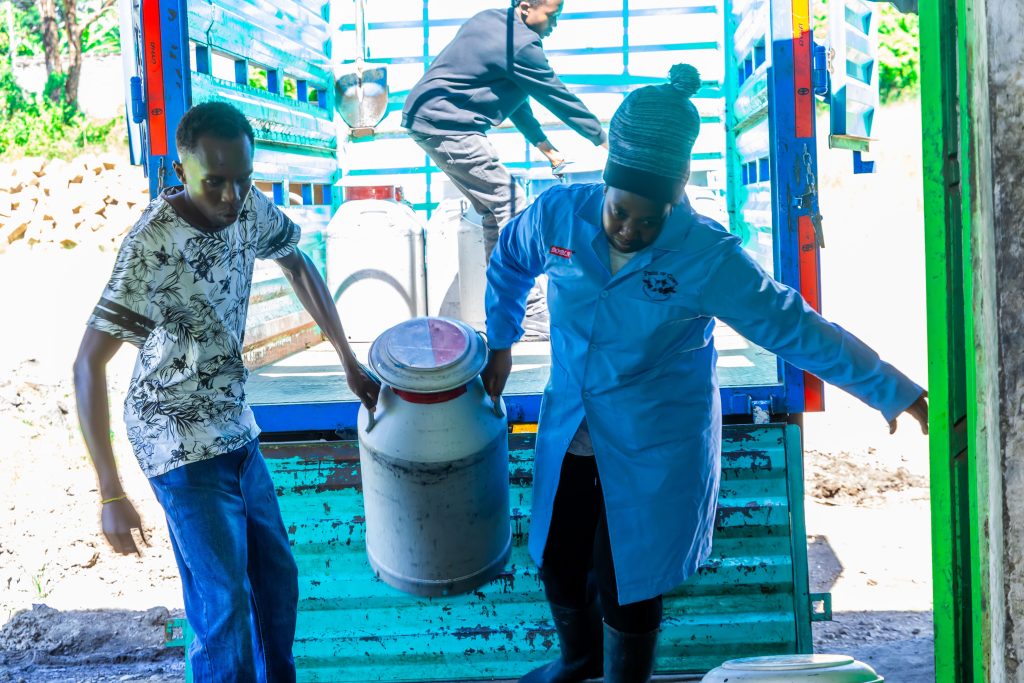
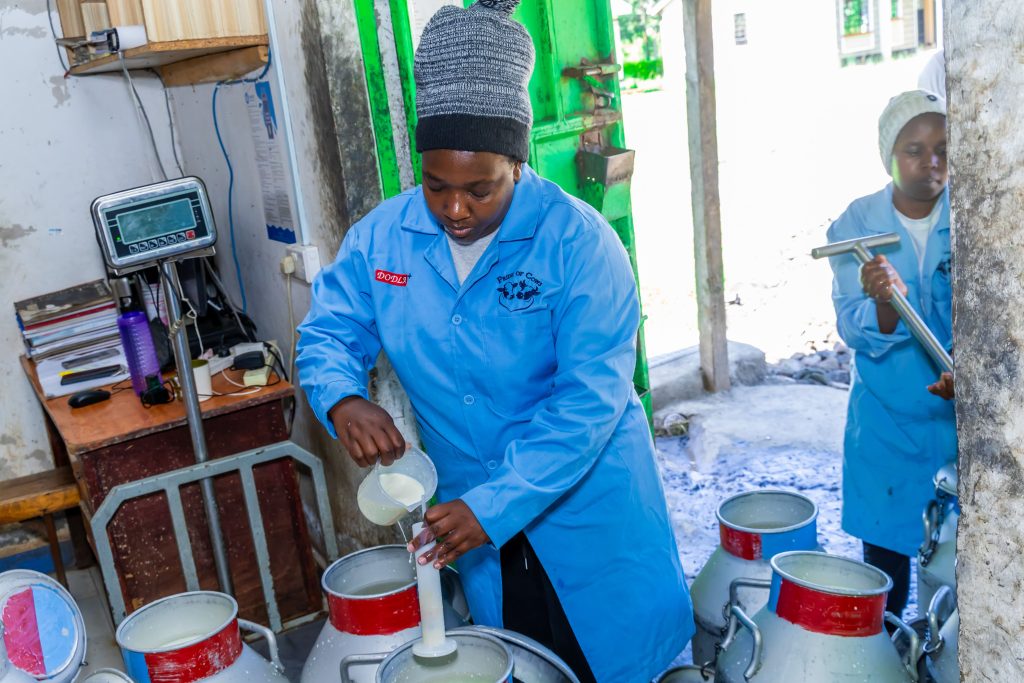
That changes the question.
Kenya is not searching for an entirely new idea. The country has already demonstrated the basic mechanics of a seasonal dairy buffer.
The question is why this has not yet become a predictable part of the dairy economy.
Milk powder is more than a processed product in this context. It is a way of carrying part of today’s production into tomorrow.
Kenya has already tried to build the bridge
The experience matters because it shows that seasonal balancing is possible, but also raises a more difficult issue: Whether an intervention designed for exceptional periods can evolve into a dependable market mechanism.
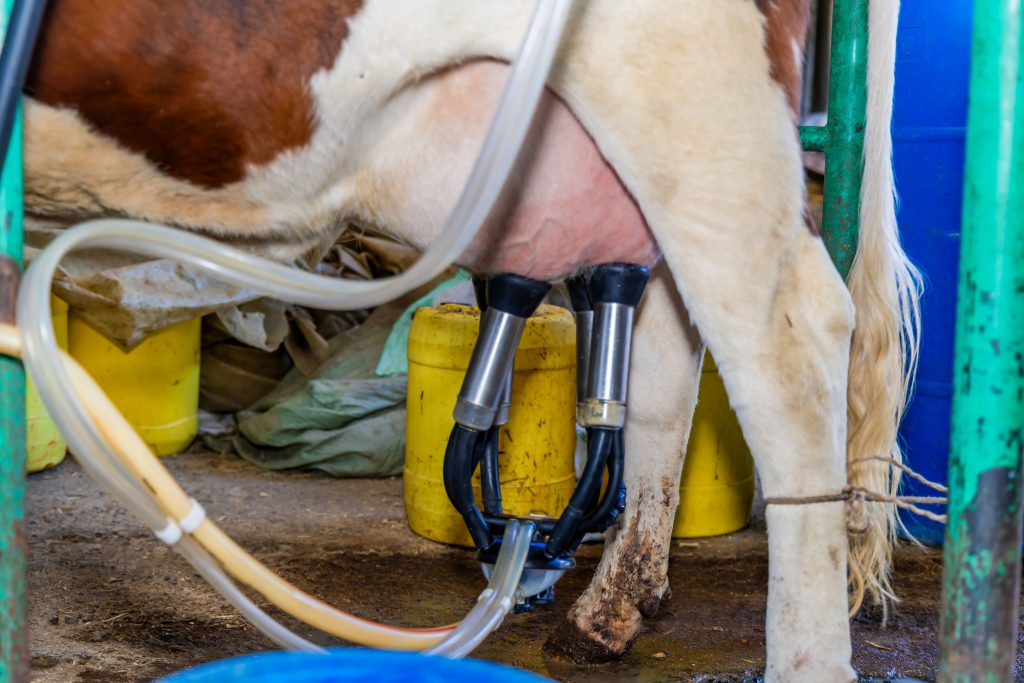
If surplus milk is converted into a strategic reserve, then the reserve itself should be visible.
How much has been produced? How much remains? How much has been released? When should it be released? Who carries the inventory? Who pays for storage and working capital? What happens when stocks become too large? And how does the mechanism protect farmers when the market is flooded without simply transferring the cost to taxpayers?
These are not bureaucratic questions.
They are the mechanics of food security.
A reserve only becomes useful when its rules are clear, its stocks are known, its costs are understood and the market knows when and why those stocks will move.
The world has learned to move milk through time
Kenya is hardly alone in confronting the mismatch between seasonal production and year-round demand.
India built a national milk system around farmer cooperatives, collection, processing and a National Milk Grid designed to reduce seasonal and regional price variations. The system linked milk producers with consumers while creating infrastructure capable of moving milk across both geography and time.
New Zealand offers a different lesson. Its milk production is highly seasonal, while domestic demand is relatively steady. Its industry has responded through processing, product diversification and incentives that encourage production outside the peak season.
Europe offers both a model and a warning. Public intervention and private storage can remove excess product from the market during severe disruptions, including through intervention stocks of skimmed milk powder. But large stocks can also become costly and weigh on the market if they are not managed with clear limits and exit rules.
The lesson for Kenya is not to copy any one system.
It is to stop treating seasonality as a surprise.
For farmers, seasonality has a price
A dairy farmer does not experience seasonality as a graph.
She experiences it as the price offered for today’s milk. Then the price of hay. Then the cost of concentrates. Then the decision about whether keeping another cow still makes economic sense.
That is why the debate about milk supply cannot be reduced to production.
Kenya can produce more milk and still have an unstable dairy economy if farmers face sharp swings between weak prices during abundance and high production costs during scarcity.
The goal should be a dairy system in which farmers have more predictable markets, consumers have more reliable supplies and the industry can absorb the natural fluctuations created by climate and production cycles.
The next glut should look different
The answer is not an open-ended government purchase programme. Nor is it another emergency intervention every time the rains fail.
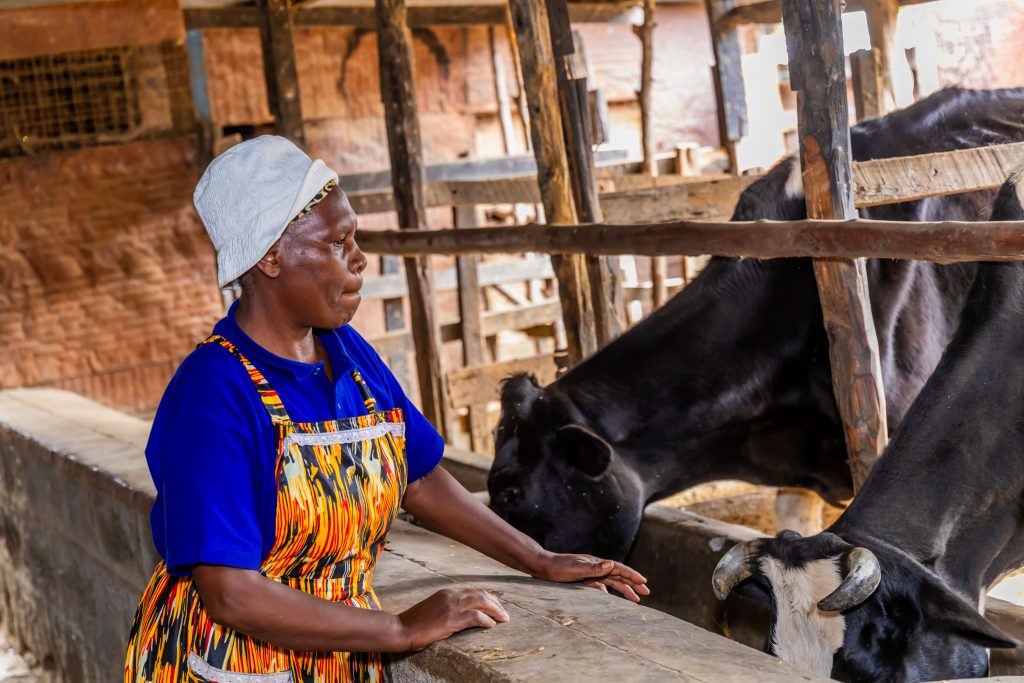
What Kenya needs is a functioning seasonal balancing system: One that connects farmers and cooperatives to processors and markets; expands the capacity to transform surplus milk into products that can travel across seasons; establishes clear rules for strategic inventory; and strengthens the feed and fodder systems that determine whether cows can keep producing when the rains do not.
Such a system would change the meaning of a milk glut.
A glut would no longer be simply a crisis to be mopped up.
It would be an opportunity to capture value that would otherwise disappear.
Kenya wants more milk. It wants more processing, more value addition, stronger farmer organizations and larger markets.
All of that matters.
But production growth without the ability to carry value from one season into another can simply make the peaks higher without making the troughs safer.
The next time Kenya has too much milk, perhaps the first question should not be how quickly we can get rid of it.
It should be what we can turn it into.
Because the milk Kenya needs tomorrow may already be produced today.
The challenge is learning how to carry it there.
Robert Kubai is the Advisor to the CEO on
Federation Advancement and Resource Mobilization
at the Kenya National Farmers’ Federation (KENAFF).
Disclaimer: The views expressed in this article are
those of the author and do not necessarily reflect the
position of KENAFF.