The Hidden Backbone of Kenya’s Dairy Industry

What the KENAFF 2026 Women in Dairy Report Reveals

Kenya's dairy sector is often celebrated in national statistics — millions of tonnes of milk, hundreds of thousands of jobs, a growing export ambition. What rarely makes the headlines is who actually keeps that industry running each morning before sunrise.
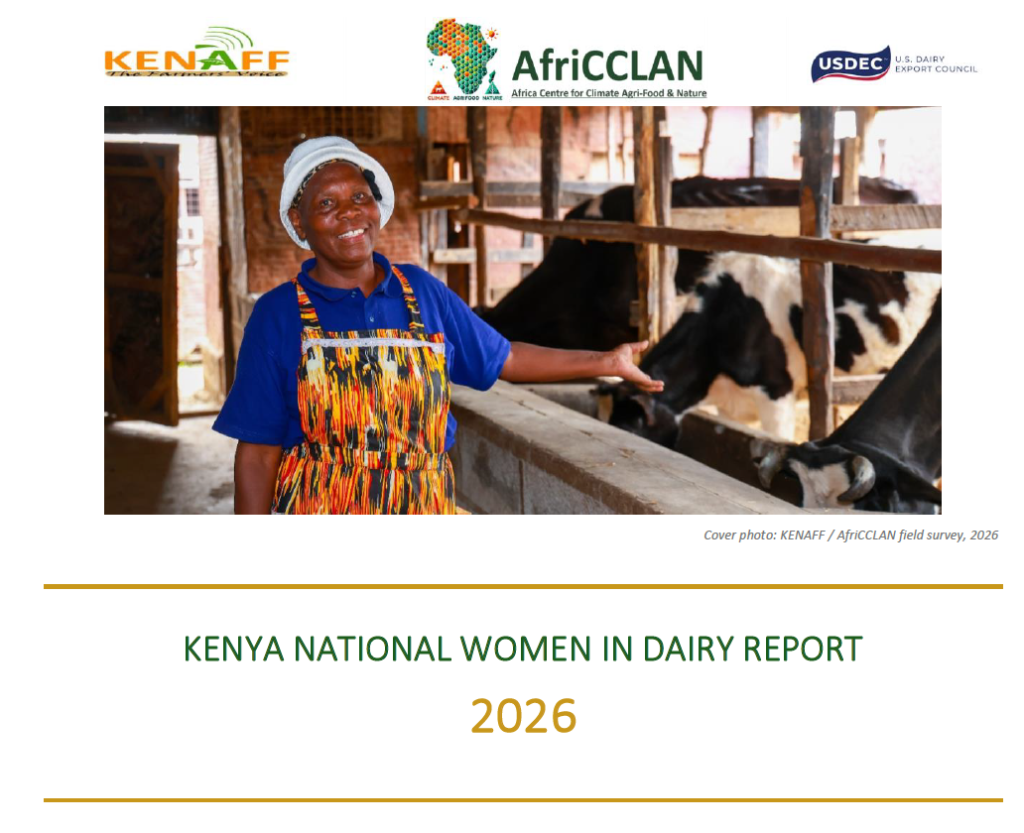
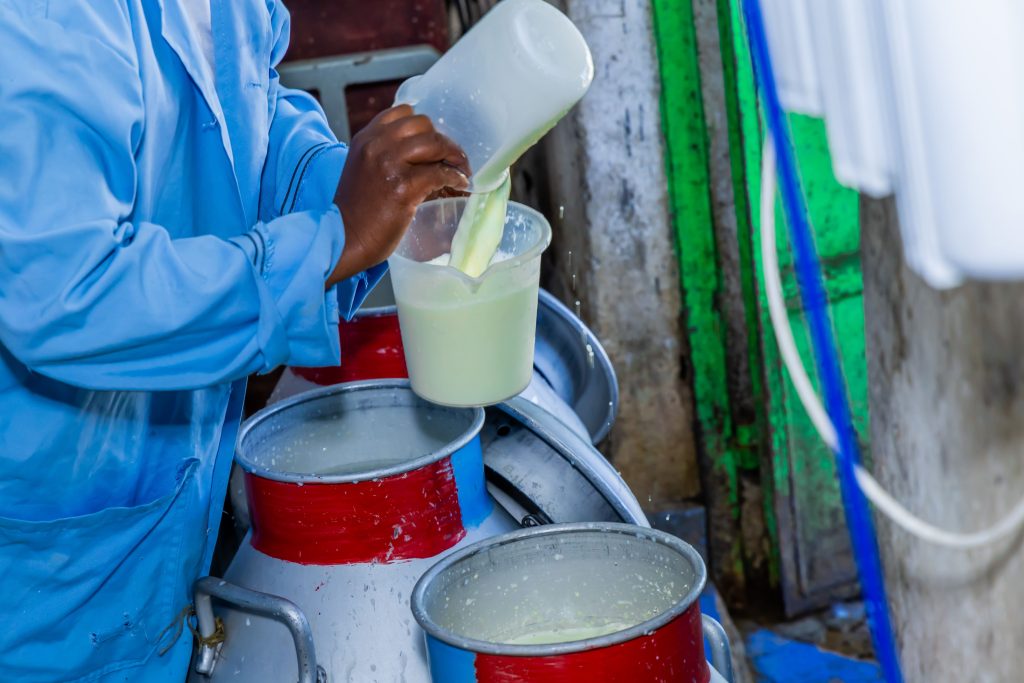
Kenya National Women in Dairy Report 2026, produced by the Kenya National Farmers’ Federation (KENAFF) in partnership with AfriCCLAN, sets out to answer that question directly. Released during the International Year of the Woman Farmer, it is one of the most detailed studies yet conducted on the role women play in Kenya’s dairy economy — and on the barriers still standing between their labor and their fair share of its rewards.
Drawing on surveys, focus groups, interviews, political economy analysis, and case studies across five major dairy counties — Nakuru, Meru, Nyandarua, Uasin Gishu, and Kiambu — the report builds a picture that is at once encouraging and uncomfortable: women are the engine of Kenyan dairy, yet they own almost none of the machine.

Why Dairy Matters to Kenya

Dairy farming is one of Kenya’s most economically significant agricultural activities. The country is Africa’s second-largest milk producer after Egypt, with production reaching roughly 5.5 million tonnes in 2025. The sector contributes about 14% of agricultural GDP, 4.5% of national GDP, and nearly 44% of livestock GDP, while supporting more than 700,000 direct jobs. Around 80% of this output comes not from large commercial operations but from smallholder farmers — and national demand for milk is projected to double by 2030.

That growth trajectory, however, sits alongside familiar constraints: high feed costs, climate volatility, livestock disease, weak cold-chain infrastructure, heavy post-harvest losses, and a market still dominated by informal trading. Government investment in coolers, processing capacity, and livestock financing signals an intent to modernize the sector — but modernization, the report argues, will only be equitable if it addresses who currently does the work and who currently owns the assets.

The Participation-Control Paradox

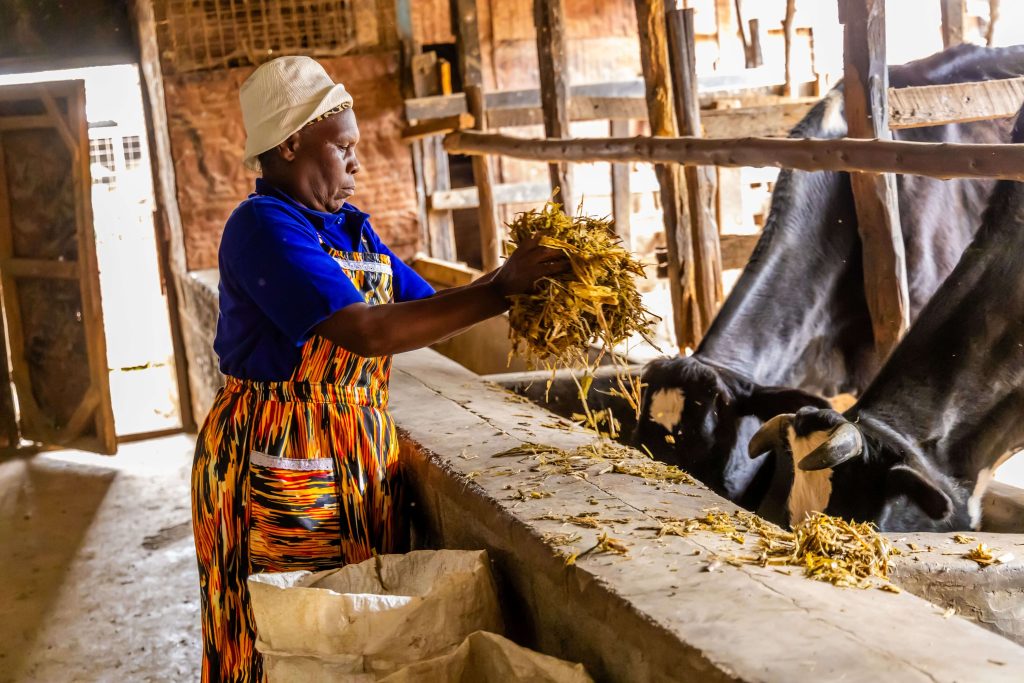
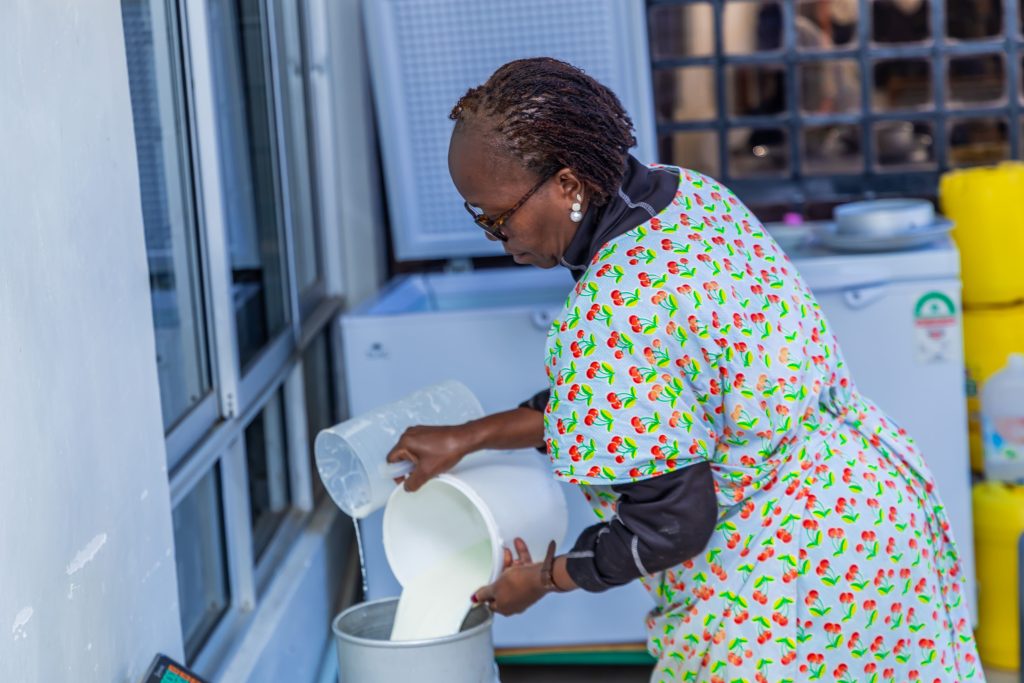
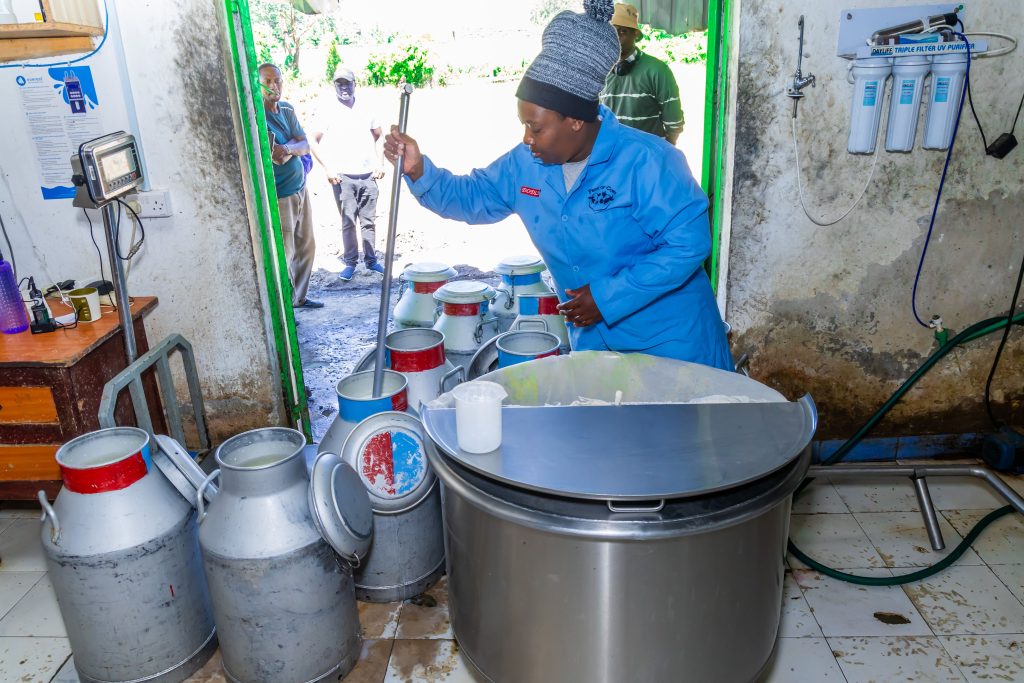
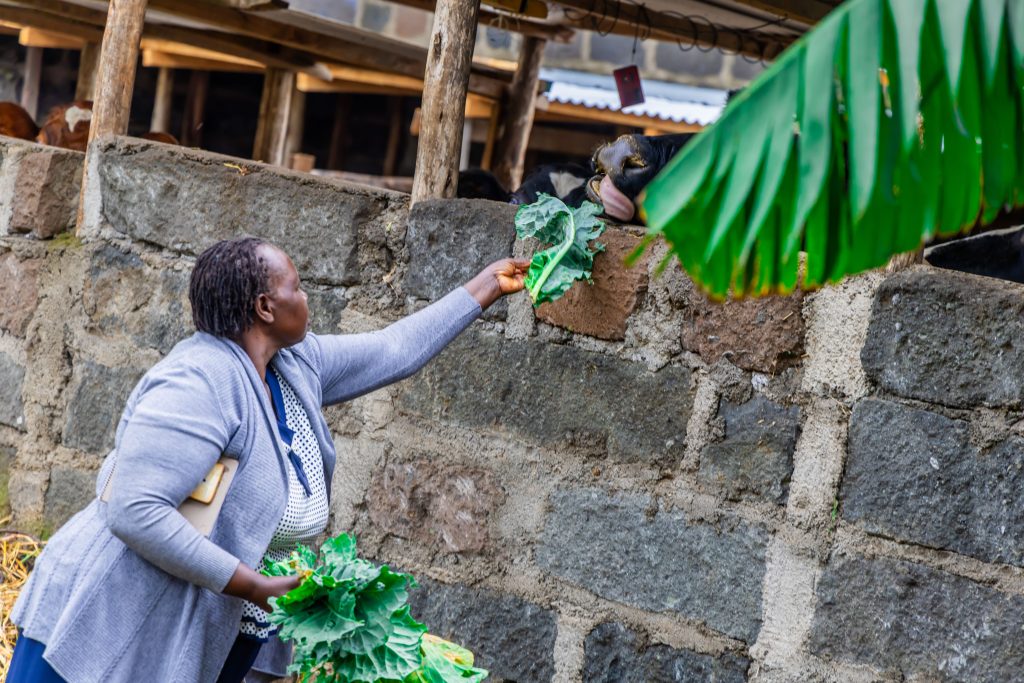
This is where the report’s central finding comes into focus. Women carry out the bulk of the daily labor that keeps dairy farms functioning — feeding cattle, milking, managing animal health, preparing fodder, handling milk, and translating that work into household nutrition. National estimates suggest women contribute up to 70% of on-farm dairy labor.

Yet ownership of the assets that generate that labor — land, cattle, infrastructure — remains concentrated elsewhere. The report names this imbalance the “Participation-Control Paradox”: women do most of the work, but control very little of the wealth it creates. Understanding why this paradox persists, and what would be needed to close it, is the animating question behind the entire study.

How the Research Was Done

To move beyond anecdote, KENAFF and AfriCCLAN combined several methods: surveys of 129 women dairy farmers across the five counties, focus group discussions, key informant interviews, enterprise case studies, and a political economy analysis of power structures within the sector. Researchers tracked land ownership, production volumes, income, cooperative participation, financial inclusion, market access, household welfare, and leadership representation — pairing hard numbers with the lived testimony of the women themselves.

Who Are Kenya's Women Dairy Farmers?

The average woman surveyed was 46.6 years old, married, and had completed secondary education. That last detail matters more than it might first appear: 70% of respondents had secondary schooling or higher, which undercuts a common assumption that limited education is what holds women back commercially. Most already have the skills and knowledge to run profitable, technologically improved dairy enterprises — what they lack is not capability, but access.

Their enterprises tend to be modest and semi-commercial: an average of 3.5 cattle per household, with average daily production of 23 litres of milk (a median of 15 litres, reflecting a skew from a smaller number of larger producers). Most remain locked into low-input, low-output systems, constrained less by knowledge than by capital and assets.

Land and Livestock: The Core Obstacle

If there is one finding that anchors the entire report, it is this: asset ownership, not effort or ability, is the primary barrier to women’s advancement in dairy.

The numbers are stark. Only 23% of women own land individually, and another 24% hold land jointly — meaning close to 77% lack secure individual land titles. Documented ownership of cattle is even lower, at just 19%. Because formal ownership underpins access to credit, without it women cannot use land or livestock as collateral, cannot easily invest in improved breeds or infrastructure, and remain largely locked out of formal financial systems. The report is unambiguous in concluding that this — not a lack of drive or skill — is what keeps women economically disadvantaged in the sector.

A Genuine Bright Spot: Control Over Income

Amid these structural barriers, the report highlights a striking exception. Unlike many other agricultural value chains in Kenya, dairy pays out frequently — often daily — and that rhythm has given women a real measure of financial autonomy. On average, women control 82% of dairy income; 63% report complete control over their earnings, 40% make financial decisions independently, and another 31% make them jointly with a spouse.

This is a meaningful achievement, but the report flags a real risk: as the sector modernizes and milk payments shift toward mobile money and bank transfers, those accounts could increasingly default to male household members, quietly reversing decades of hard-won financial independence unless deliberately safeguarded.

Getting Milk to Market

Women sell their milk through several channels — roughly two-thirds go through dairy cooperatives, with the remainder moving through roadside sales, brokers, or direct processor contracts. Cooperatives generally offer better prices, extension services, financial products, and collective bargaining power, yet many women still sell informally simply because they need cash immediately rather than waiting weeks for a cooperative payout.

That trade-off is compounded by a set of persistent market frustrations: 85% of women cite low milk prices as a major constraint, alongside limited market information, high transport costs, long distances to selling points, post-harvest losses, and delayed payments — all of which erode profitability and dampen the incentive to reinvest in their enterprises.

Strong Membership, Weak Voice

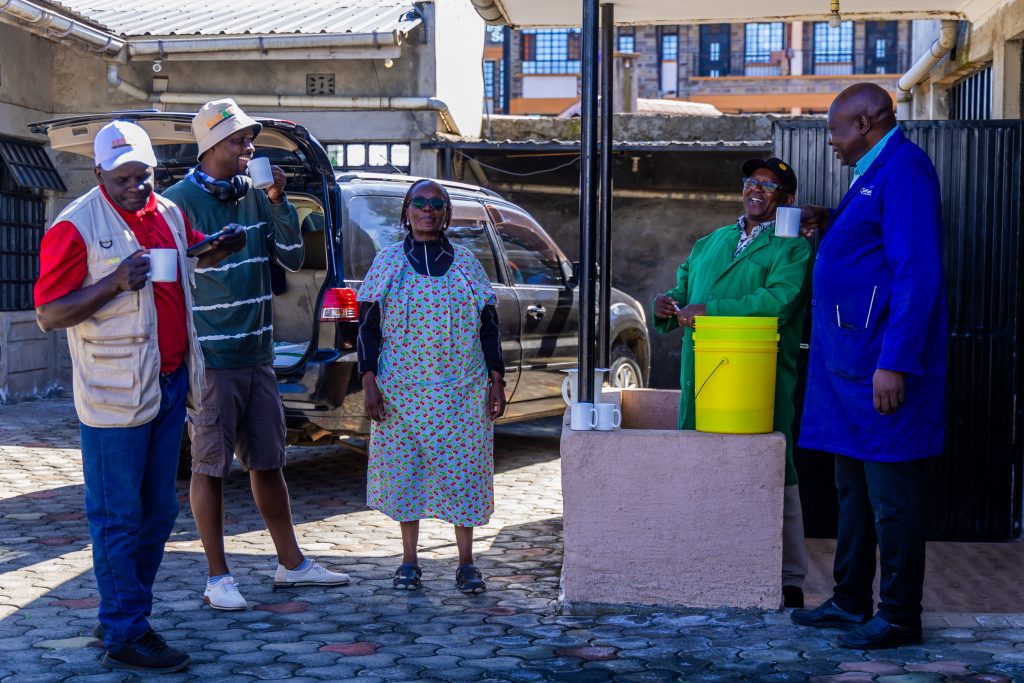
Cooperative membership among women is high — 86% belong to one — but their presence in leadership tells a very different story. The report documents cooperatives where women hold just 2 of 8 board seats, or 3 of 7 leadership positions, and notes that many cooperative constitutions contain no enforceable provisions guaranteeing gender representation at all.
The consequence is that women, despite forming the backbone of cooperative membership, have limited influence over decisions on milk pricing, investment priorities, or governance reform. The report calls for mandatory gender quotas and gender-responsive bylaws as a direct remedy.

The Ripple Effect on Households

The benefits of women’s dairy income extend well beyond the farm gate. Respondents linked their dairy earnings to improvements in household milk consumption (78%), dietary diversity (70%), child nutrition (61%), healthcare spending (56%), and overall household health (55%). Because women are more likely to channel income toward food, education, and healthcare, the report frames strengthening women’s economic position in dairy as a lever for broader family and community wellbeing — not simply a sector-specific equity issue.

Locked Out of Formal Finance

Financial access remains one of the most acute constraints. Women point to a lack of collateral (65%), high upfront investment costs, limited awareness of available financial products, reluctance among lenders to extend credit to them, and low digital literacy. The underlying problem loops back to land titling: without documented ownership, banks routinely decline loan applications — despite evidence that women tend to have stronger repayment records than men. The report recommends that lenders begin recognizing livestock, milk delivery records, and cooperative membership itself as alternative forms of collateral.

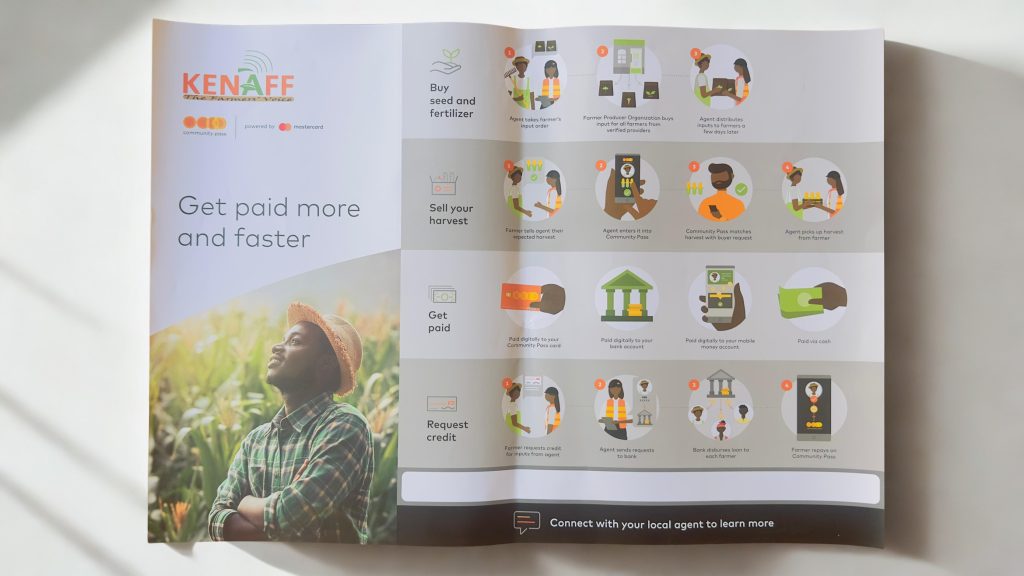
Financial institutions should accept dairy cooperative delivery records as collateral to help women bypass traditional property barriers—which is exactly why KENAFF’s push to digitize farmers in Kenya is such a game-changer. Check out the full article and youtube video here:

https://kenaff.org/wp/2026/07/14/digitizing-agricultural-value-chains-kenya/

What Success Can Look Like

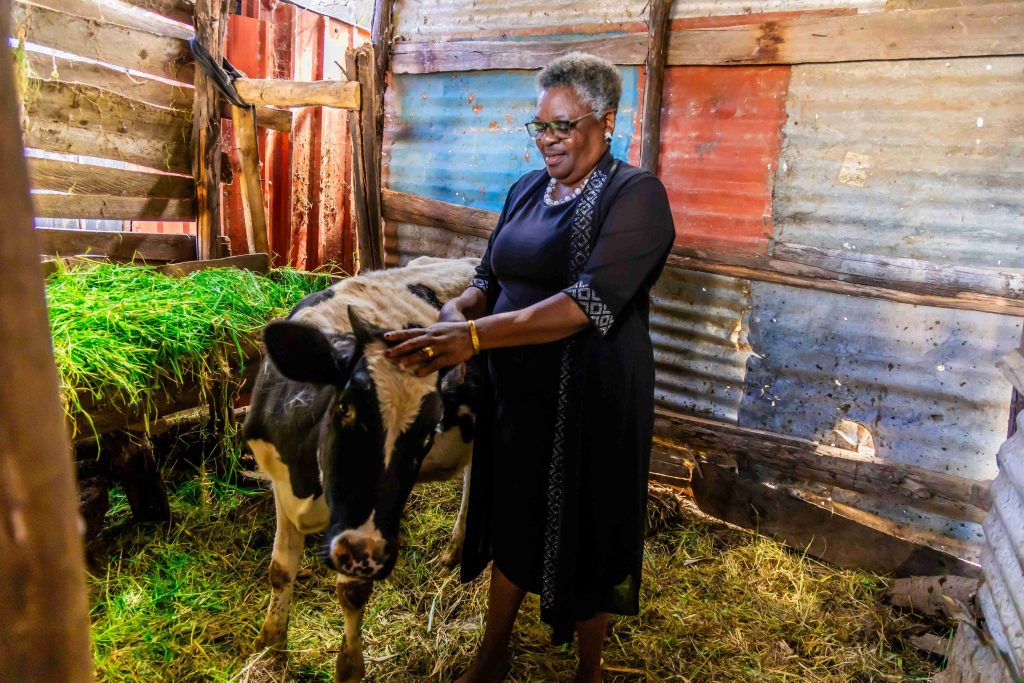
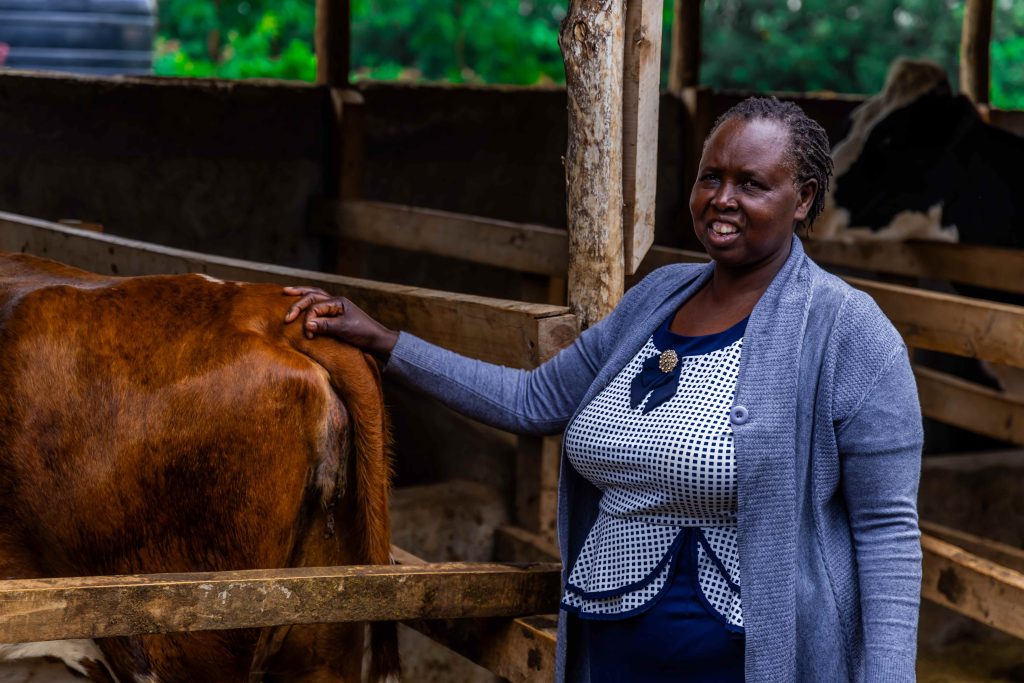
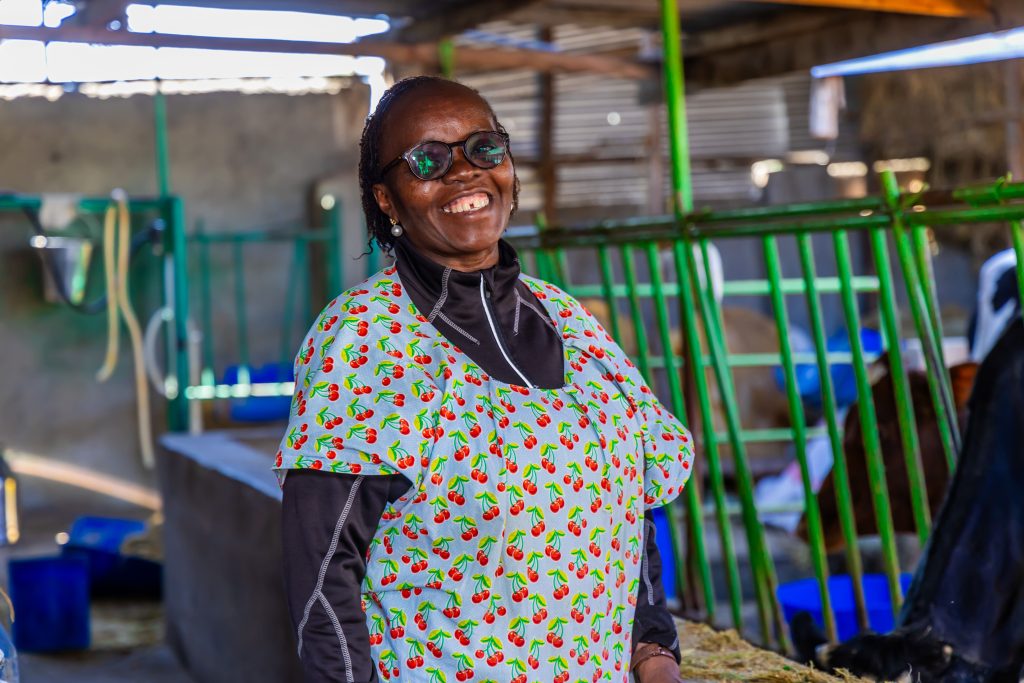
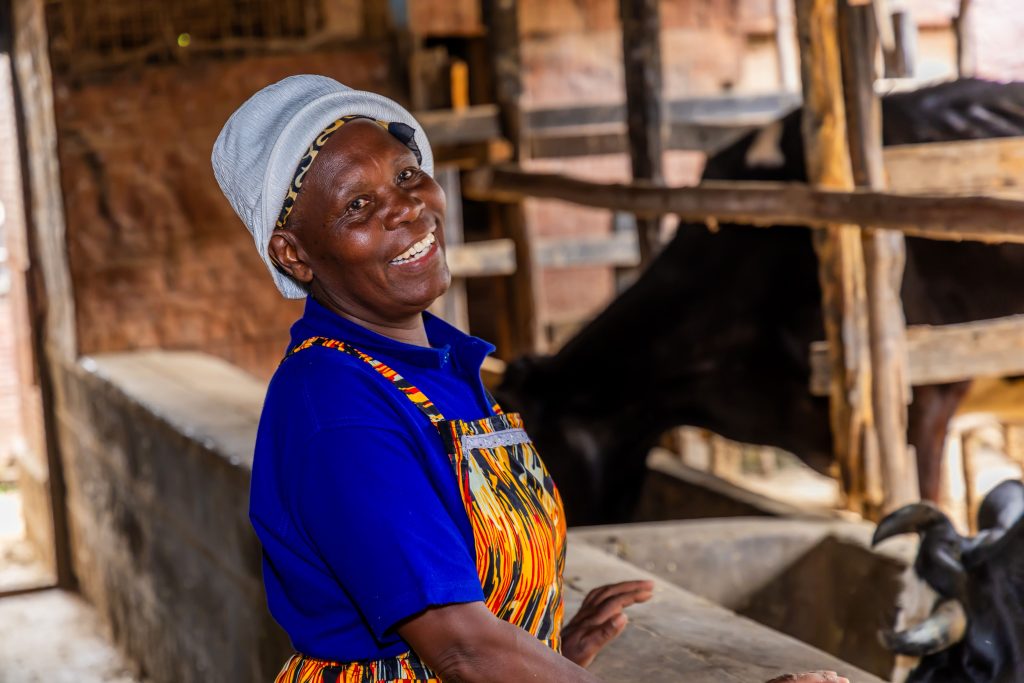
The report grounds its policy case in real examples. One featured farmer from Meru began with a single gifted heifer and built it into a herd producing 126 litres of milk per day. Along the way, she purchased land in her own name, installed biogas, adopted silage production, educated her children, rose to a cooperative leadership role, and now mentors other women entering the sector. Stories like hers are presented not as exceptions to be admired from a distance, but as proof of what becomes possible when training, finance, and asset access converge.

Watch the video below to see this transformation in action:


A Patchwork Across Counties

Empowerment outcomes vary considerably by region:

  • Kiambu scores highest overall, benefiting from strong market access and proximity to Nairobi’s commercial dairy systems — though land ownership there remains comparatively low.
  • Nakuru has the highest rate of female land ownership, but needs stronger household decision-making power and greater representation in cooperative leadership.
  • Meru stands out for its younger women farmers, who are engaging strongly with SACCOs, innovation, and entrepreneurship — a model the report suggests could be replicated elsewhere.
  • Uasin Gishu benefits from strong cooperative systems and growing digital financial inclusion.
  • Nyandarua records the lowest empowerment score in the study, with only about 8% of women owning land — making it, in the report’s assessment, the county most urgently in need of land reform attention.

Why the Inequality Persists

The report goes beyond documenting disparities to explain their roots through a political economy lens. It identifies overlapping structures that concentrate power away from women: patriarchal inheritance systems, male control over land, male-dominated cooperative leadership, credit systems built around land titles women rarely hold, social norms that discourage women’s leadership, and payment systems that default to male control.

The conclusion drawn is important: simply encouraging more women to participate in dairy farming will not close the gap. What’s needed is structural reform that redistributes ownership, decision-making authority, and economic benefit — not just effort.

What the Report Recommends

The study lays out a three-tier reform agenda.

Immediate priorities include fast-tracking joint land titling, expanding dairy-specific loans with flexible collateral requirements, recruiting more female extension officers, mandating women’s representation on milk pricing committees, improving digital literacy while directing mobile payments to women themselves, and reforming cooperative governance through gender quotas.

Medium-term actions call for county-level gender-responsive agricultural budgets, support for women-led dairy processing enterprises, stronger women’s marketing groups, and expanded community dialogue to shift harmful gender norms.

Long-term reforms envision a National Women in Agriculture Policy, a dedicated Women in Dairy Credit Guarantee Fund, legal recognition of livestock as loan collateral, gender-responsive value chain standards nationwide, and a target of 50% women’s representation in dairy leadership by 2030.

The Bigger Picture

Kenya’s dairy sector already runs, in large part, on the labor of women. The report’s argument is not that this needs to change — it’s that the ownership, authority, and financial systems built around that labor need to catch up to it. Land titling, financial inclusion, cooperative governance reform, and secure digital payments are not peripheral social issues; they are, the report insists, the practical mechanisms through which Kenya could unlock higher productivity, stronger food security, and a more resilient dairy economy for the next generation.

Kenya has the chance to move from being a country where women quietly hold the dairy sector together, to one where they are formally recognized as its owners, leaders, and decision-makers.

Scroll to Top