A Historic Milestone: Dr. Daniel Mwendah M'Mailutha Elected President of the World Farmers' Organisation
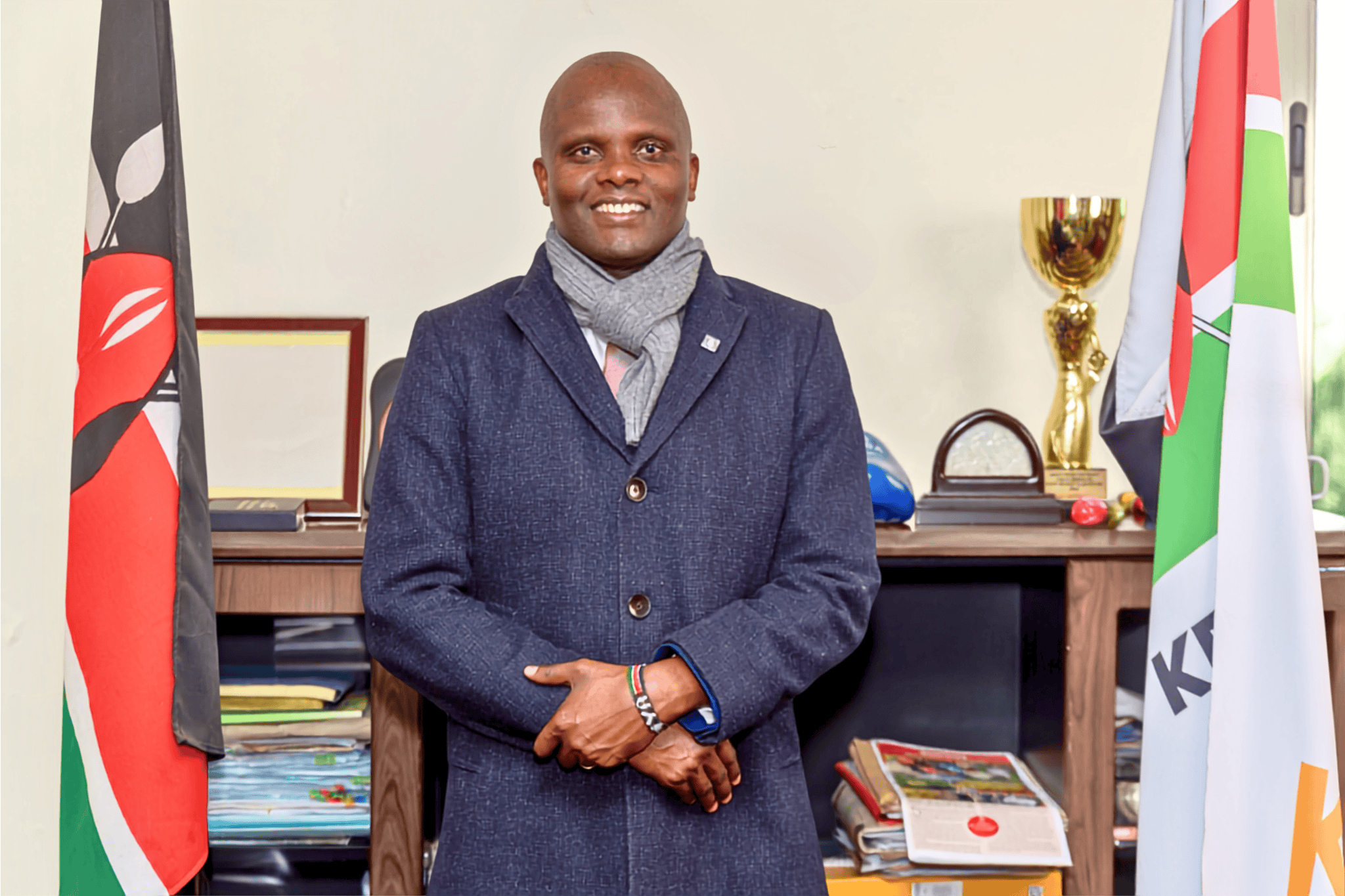
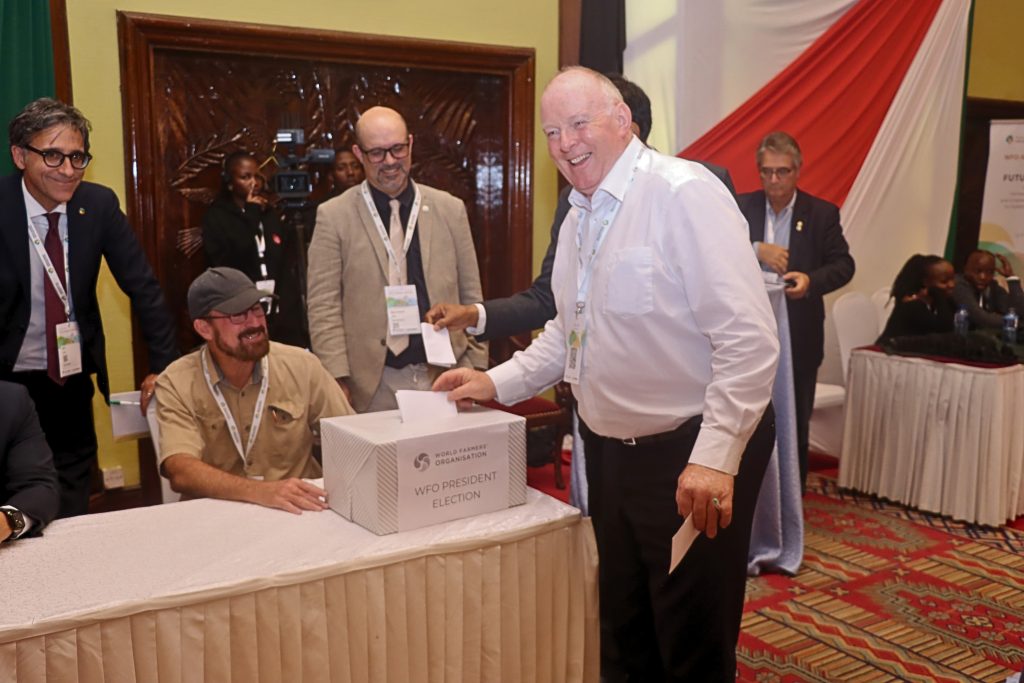
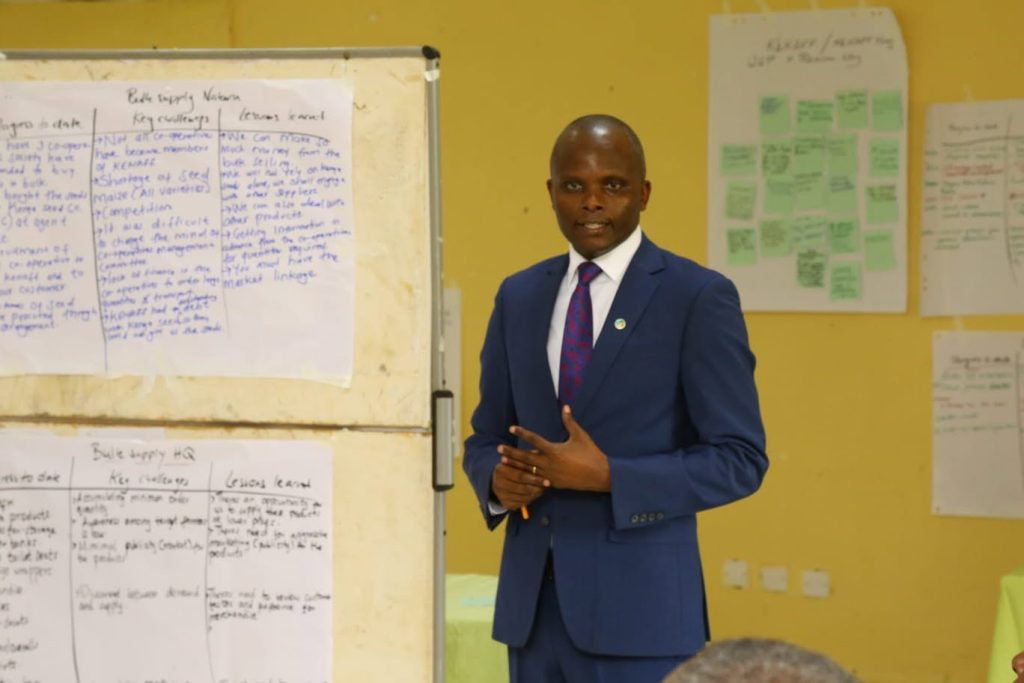
NAIROBI, KENYA — Kenya has reached a defining moment in global agricultural leadership. Dr. Daniel Mwendah M’Mailutha, Chief Executive Officer of the Kenya National Farmers’ Federation (KENAFF), has been elected President of the World Farmers’ Organisation (WFO) for the 2026–2028 term.
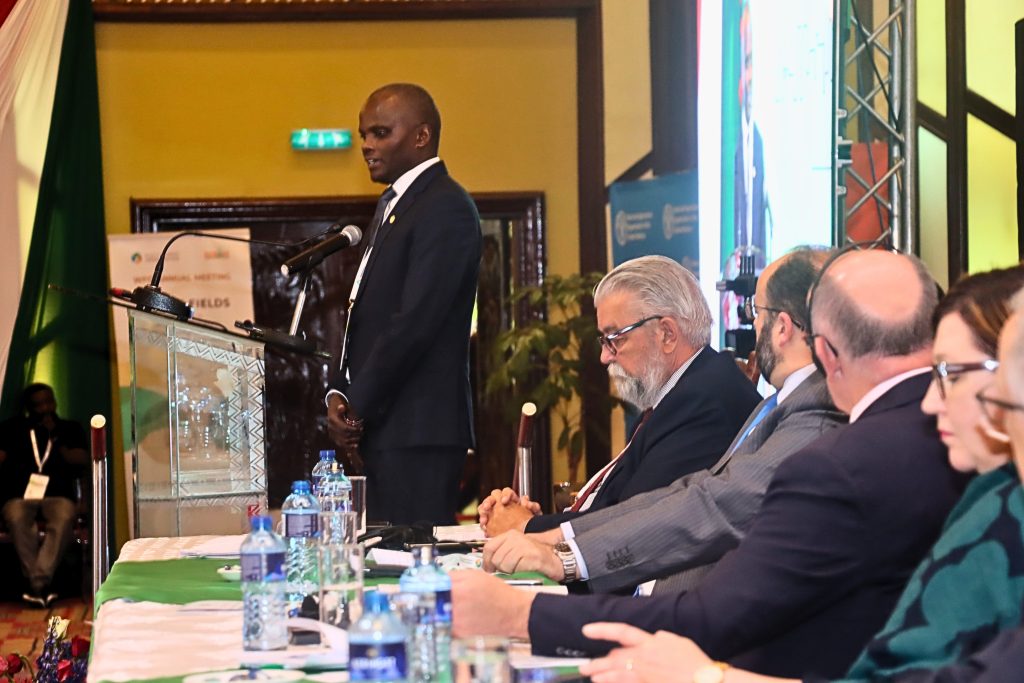
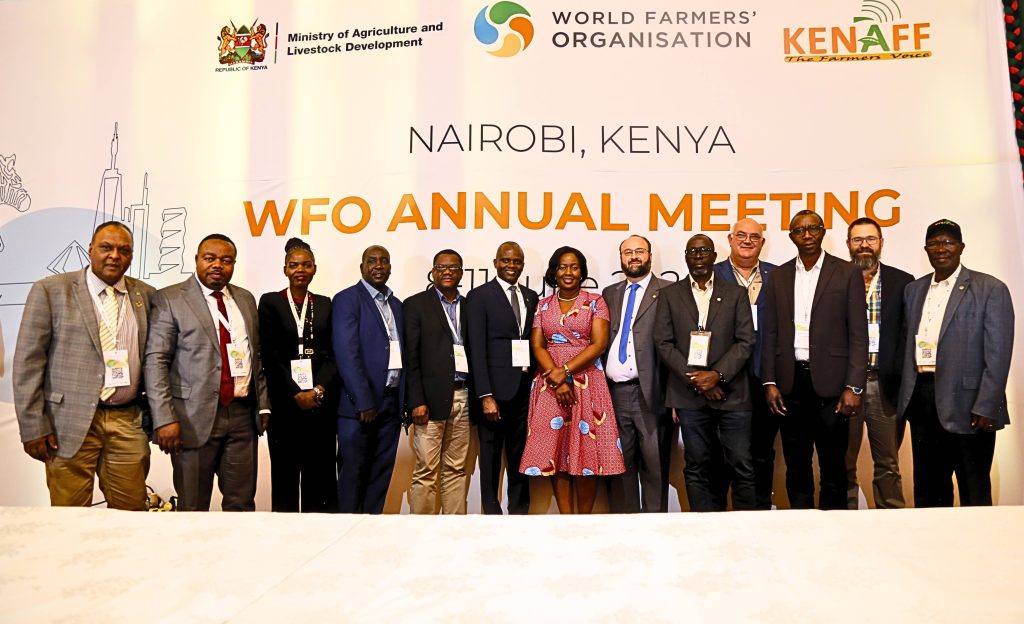
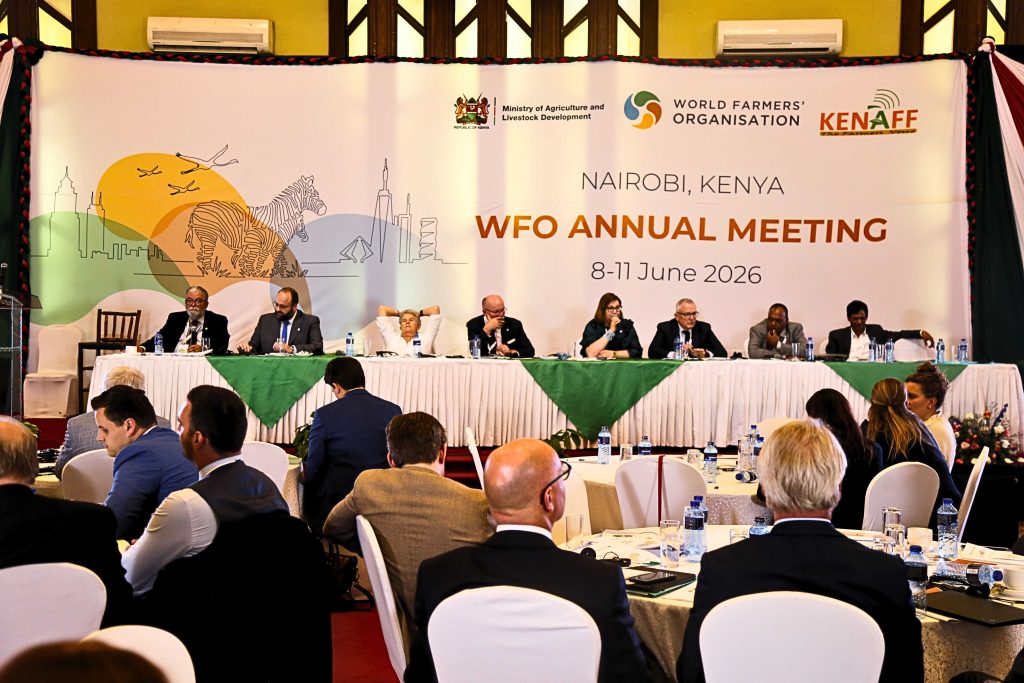
The election took place during the 2026 WFO Annual Assembly, held at Nairobi’s Safari Park Hotel from 8–11 June. It marks the first time a Kenyan has led the world’s foremost farmer-led organisation, and a landmark moment for Africa’s growing influence in shaping international agricultural policy at a time when food systems face mounting pressure from climate change, geopolitical instability, market volatility, and financing constraints.
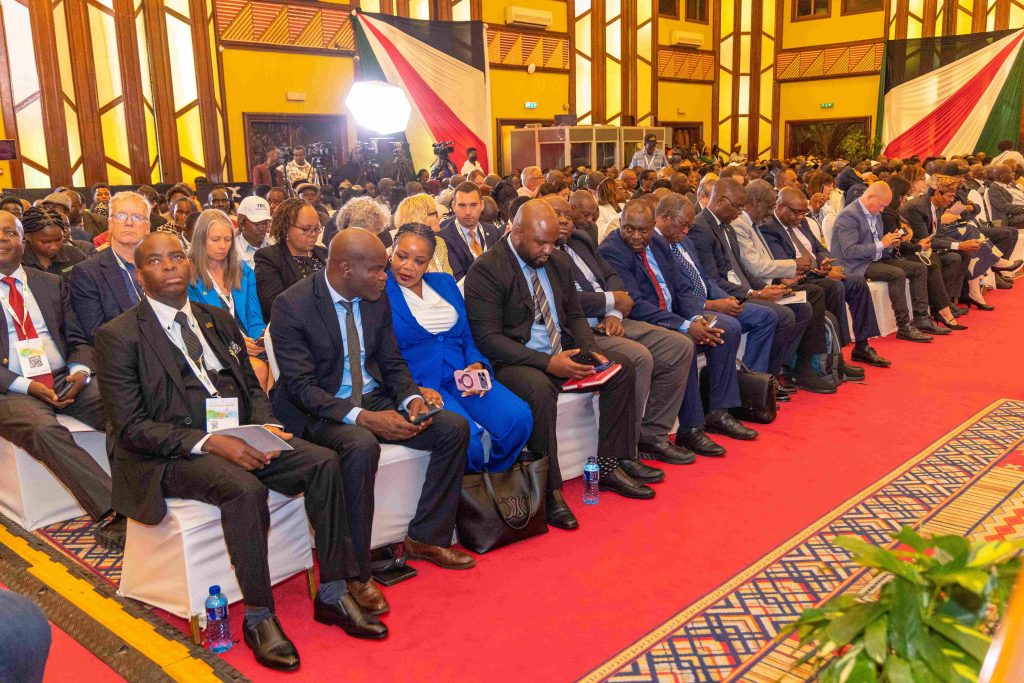
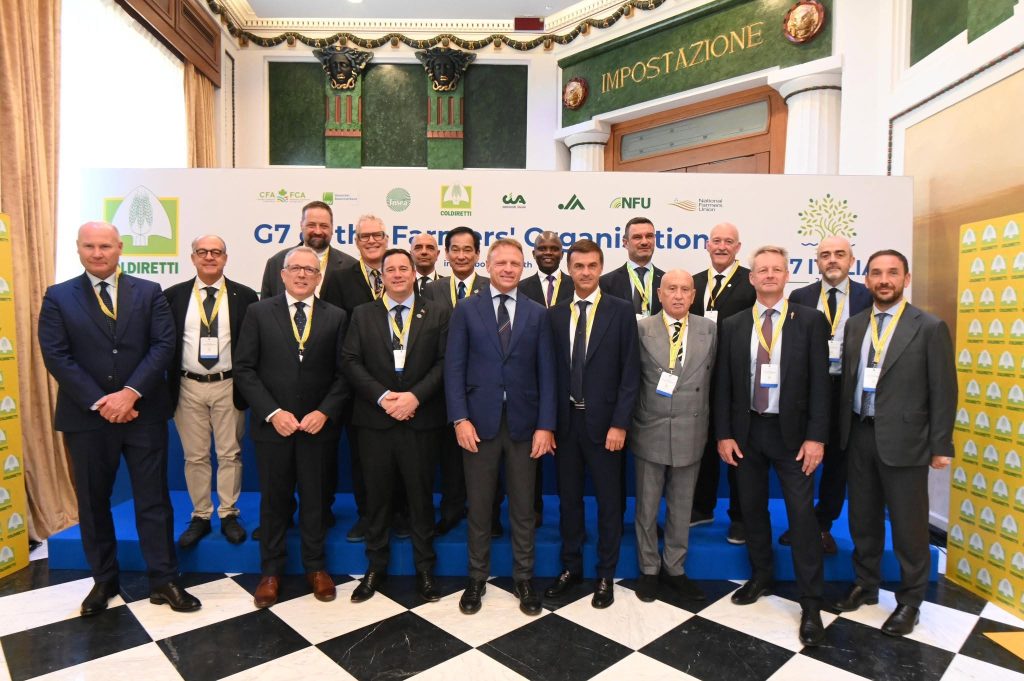
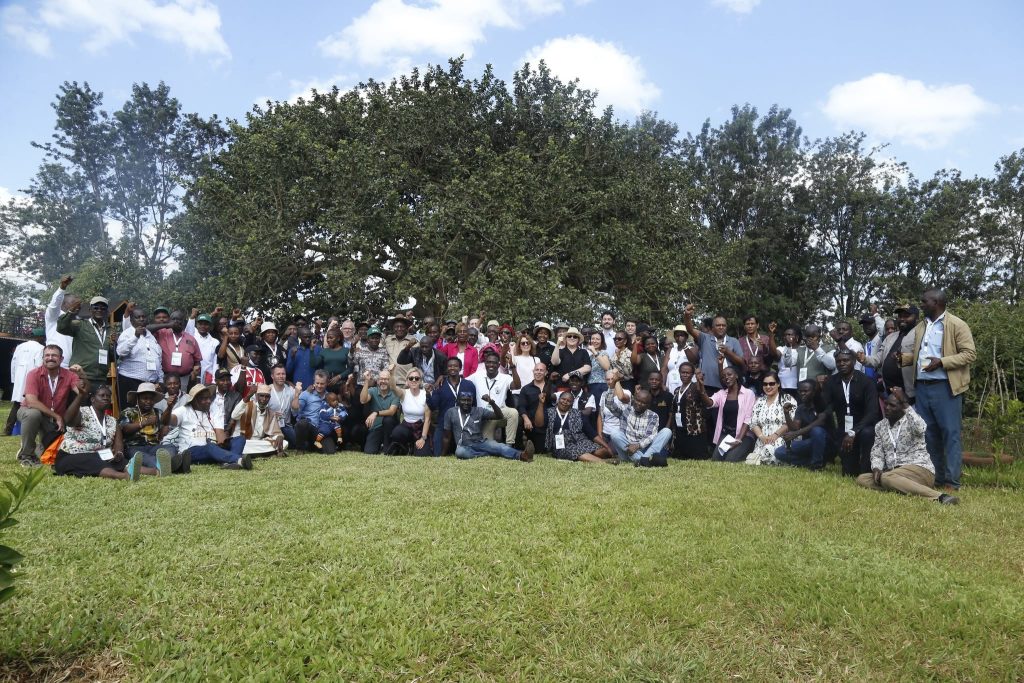
Hosted by KENAFF, the Annual Assembly brought together more than 500 delegates — representing farmers’ organisations, governments, research institutions, development partners, financial institutions, agribusinesses, and international bodies from across the globe. For Kenya, hosting the Assembly and seeing one of its own rise to the presidency was more than ceremonial; it placed the country at the centre of global conversations on the future of agriculture.
A Global Mandate at a Critical Time
The 2026 Annual Assembly convened under the theme “Future Fields: Investing in Farmers’ Organisations and Empowering Communities for Sustainable Agriculture.”
Over four days of dialogue, delegates tackled the defining challenges facing agriculture today: climate adaptation, access to finance, sustainable food production, digital transformation, biodiversity conservation, market access, youth participation, and the future of family farming.
One message came through clearly — resilient food systems cannot be built without strong farmers’ organisations capable of representing producers, shaping policy, and connecting farmers to markets, finance, technology, and innovation.
Dr. M’Mailutha’s election reflects that consensus, signalling growing international confidence in farmer-led leadership and Africa’s expanding role in solving global food security challenges. KENAFF has described the outcome as a landmark victory — not only for Kenya, but for millions of farmers whose voices have too often been left out of international decision-making.
From Smallholder Beginnings to Global Leadership
Dr. M’Mailutha’s path to agricultural leadership began on his family’s coffee farm in Meru County, where he saw firsthand how cooperative movements could transform smallholder livelihoods. That early experience shaped a lifelong commitment to strengthening farmer organisations and ensuring producers have a real voice in policy.
His academic journey reflected the same values. He began his career as a field officer with KENAFF, working directly with farming communities and building a practical understanding of the challenges producers face daily. He went on to pursue postgraduate studies in the United States before returning to Kenya, where he lectured in agricultural policy and completed his PhD. That blend of academic grounding and hands-on farming experience has made him a respected advocate for evidence-based agricultural policy rooted in farmers’ lived realities.
Building Stronger Farmer Organisations
Since becoming CEO of KENAFF in November 2018, Dr. M’Mailutha has driven significant institutional growth — strengthening farmer representation across Kenya and expanding KENAFF’s voice in regional and international policy circles.
Under his leadership, KENAFF has championed:
Climate-smart agriculture and resilience
Digital financial inclusion for farmers
Improved market access
Youth and women’s empowerment
Stronger farmer cooperatives and producer organisations
Policy reforms supporting sustainable agricultural development
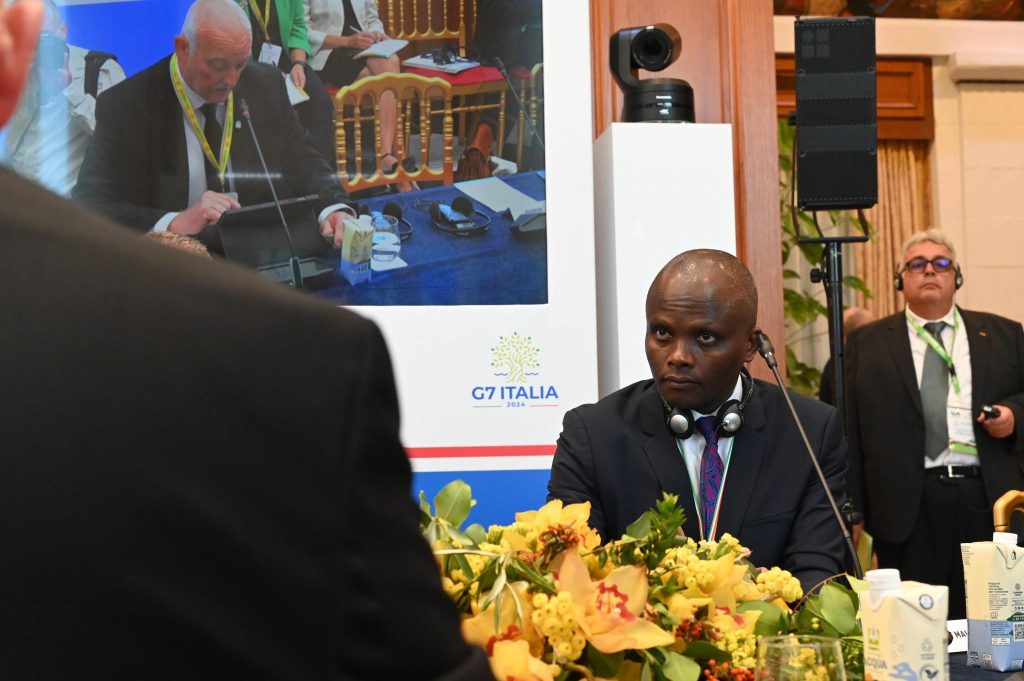
His leadership has also raised KENAFF’s profile within the African Union and numerous international agricultural forums. In June 2024, he joined the WFO Board of Directors as Africa’s representative, actively advancing continental priorities in global agricultural discussions. Over the years he has represented farmers at major platforms including the United Nations General Assembly, the UN Food Systems Summit, global Climate and Biodiversity COPs, the G20 Farmers’ Forum, and the World Economic Forum.
A Leader Who Still Farms
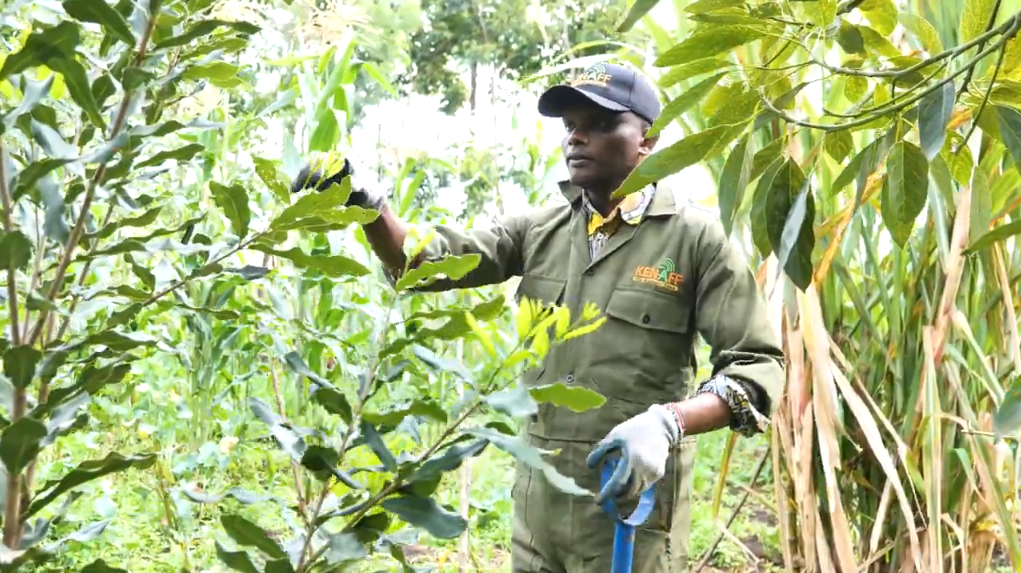
Despite his international responsibilities, Dr. M’Mailutha remains an active farmer. He runs a commercial dairy enterprise alongside a beekeeping venture in Nakuru County — work that continues to inform his approach to agricultural policy.
Understanding firsthand the realities of rising production costs, unpredictable weather, fluctuating commodity prices, labour demands, and market uncertainty allows him to bring a grounded, working-farmer’s perspective to global policy discussions. That practical connection has become one of his defining strengths as a leader.
Speaking after his election, he said his focus now turns to bringing farmers along on this journey, describing the work ahead as a shared dream to be achieved together with WFO’s members.
An International Vote of Confidence
Dr. M’Mailutha becomes the eighth President in WFO’s history, succeeding France’s Arnold Puech d’Alissac. His election followed a closely watched contest against Australia’s Fiona Simson, former President of the National Farmers’ Federation and outgoing WFO Vice President.
Congratulations followed from across the international agricultural community. Outgoing President Arnold Puech d’Alissac welcomed the transition and expressed confidence in the organisation’s future direction. WFO Secretary General Andrea Porro called the election a strong expression of trust from farmers around the world, while the World Farmers Markets Coalition noted that the result reflects growing global recognition of the central role family farmers and smallholder producers play in building resilient food systems.
Delivering More Than Leadership
Beyond the presidential election, the Nairobi General Assembly produced important policy outcomes that will shape WFO’s future work. Delegates formally adopted the WFO Policy on Land Use and Land Tenure, reaffirming secure land rights as fundamental to agricultural investment, environmental stewardship, rural prosperity, and long-term food security.
The Assembly also emphasised expanding access to agricultural finance, strengthening farmer organisations, accelerating digital transformation, promoting climate adaptation, and advancing gender equality through activities marking the International Year of the Woman Farmer 2026. Panel discussions reinforced that farmers must be recognised not merely as beneficiaries of development programmes, but as equal partners in designing and delivering solutions for sustainable agriculture.
What This Means for Kenya and Africa
For Kenya, this election is a major diplomatic and agricultural achievement. It signals growing international confidence in African leadership and recognises the continent’s expanding contribution to global agricultural innovation and policy. It also opens the door to elevating African priorities — climate resilience, food sovereignty, youth employment, sustainable financing, and equitable trade — within international policy discussions.
For KENAFF, this achievement reinforces our ongoing commitment to strengthening farmer organisations, promoting innovation, and ensuring Kenyan farmers continue to engage meaningfully with global agricultural developments.
Looking Ahead
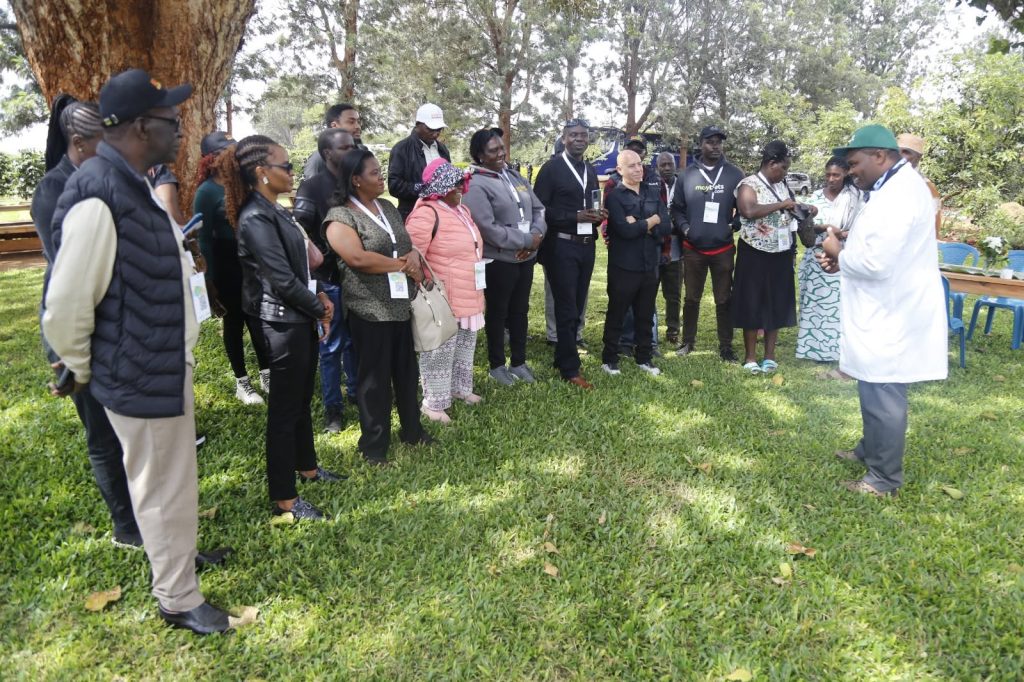
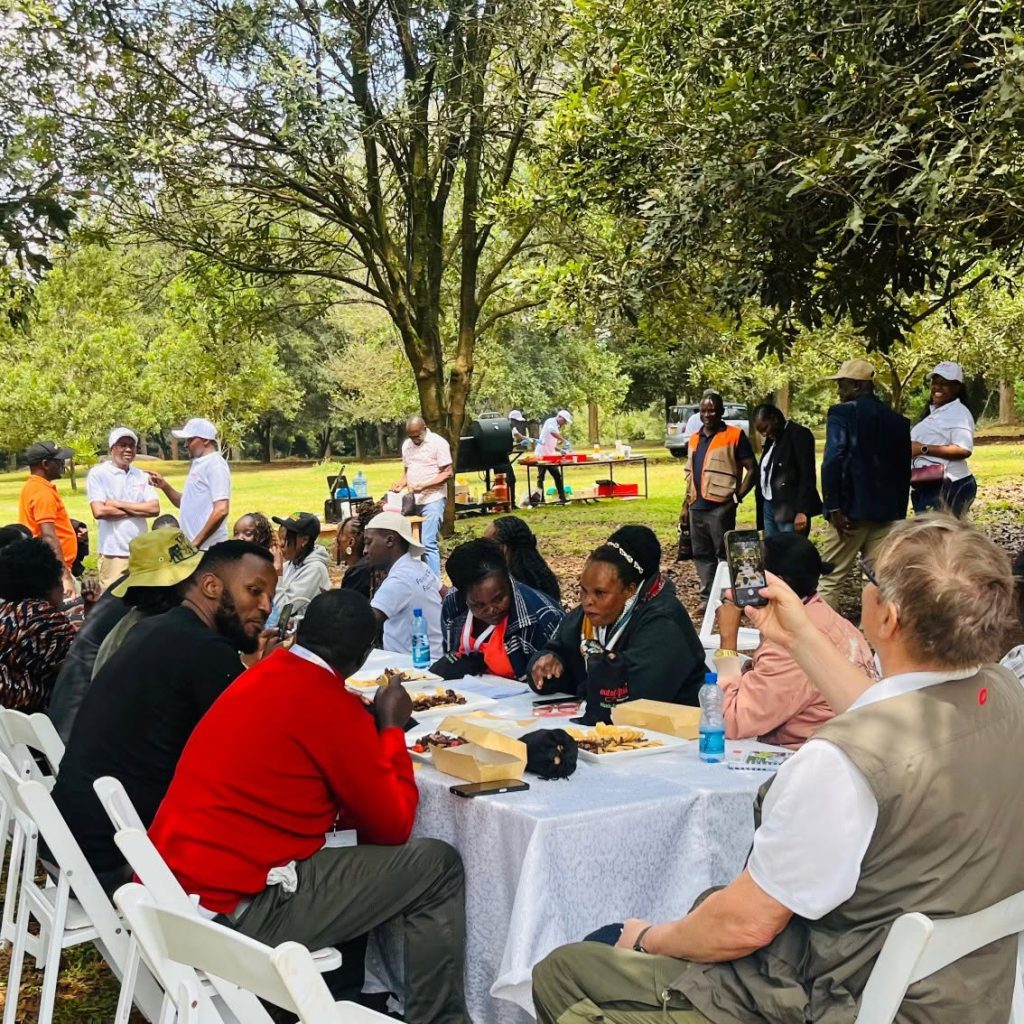
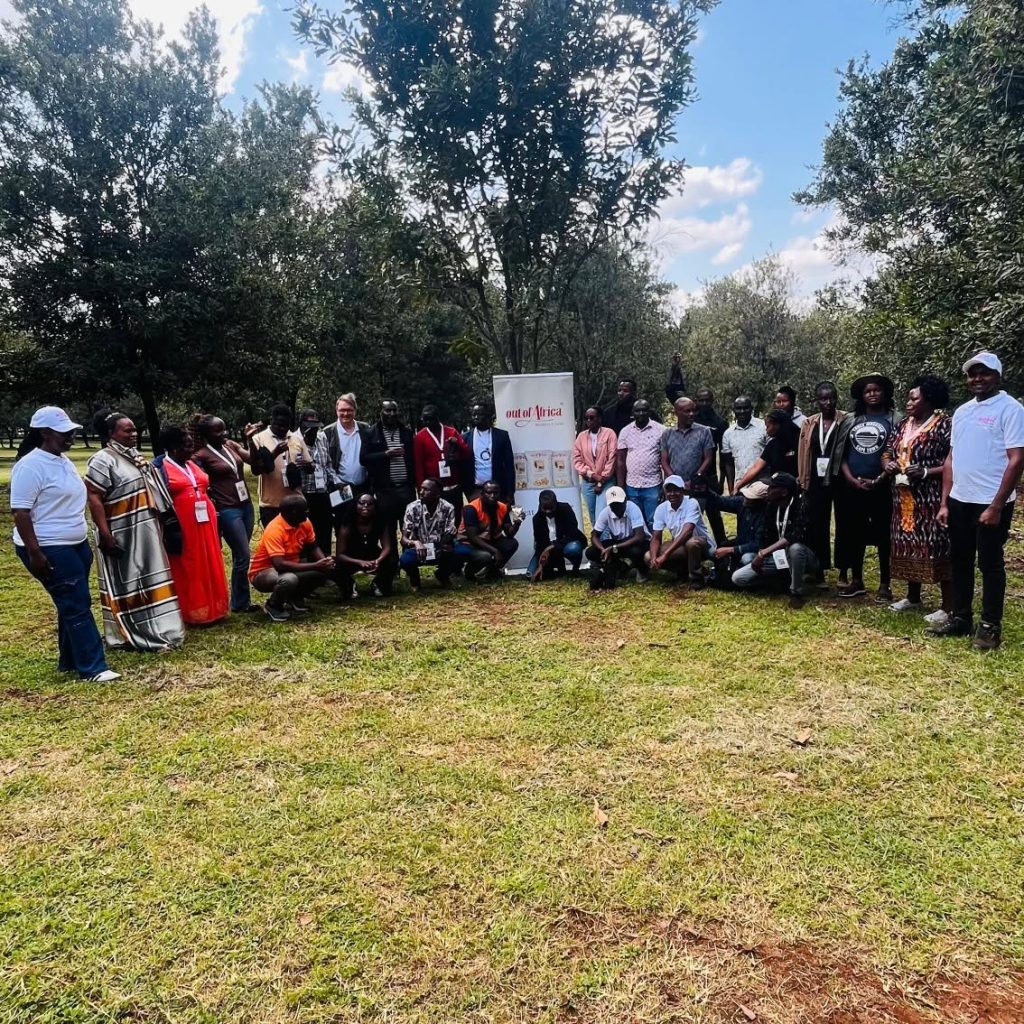
As delegates closed the Annual Assembly with field visits showcasing Kenya’s diverse agricultural systems, one message resonated throughout the week: the future of food security will ultimately be determined not in conference halls alone, but on farms, within cooperatives, and through the strength of organised farmers.
With Dr. Daniel Mwendah M’Mailutha now leading the World Farmers’ Organisation, Kenya — and Africa — have an unprecedented opportunity to help shape that future. His election is more than a personal achievement; it is a recognition of the vital role farmers’ organisations play in building resilient food systems and ensuring that those who produce the world’s food have a stronger voice in the decisions that affect their livelihoods.
From the initial vision to the historic milestone of his election, Dr. Daniel Mwendah M’Mailutha’s journey to the WFO presidency marks a pivotal moment for global agriculture. Below, you can explore this transition firsthand: watch his pre-election address to see the strategic blueprint he proposed, and view his official acceptance speech to experience the moment that vision became a shared global mandate.