Global Captital of Agriculture
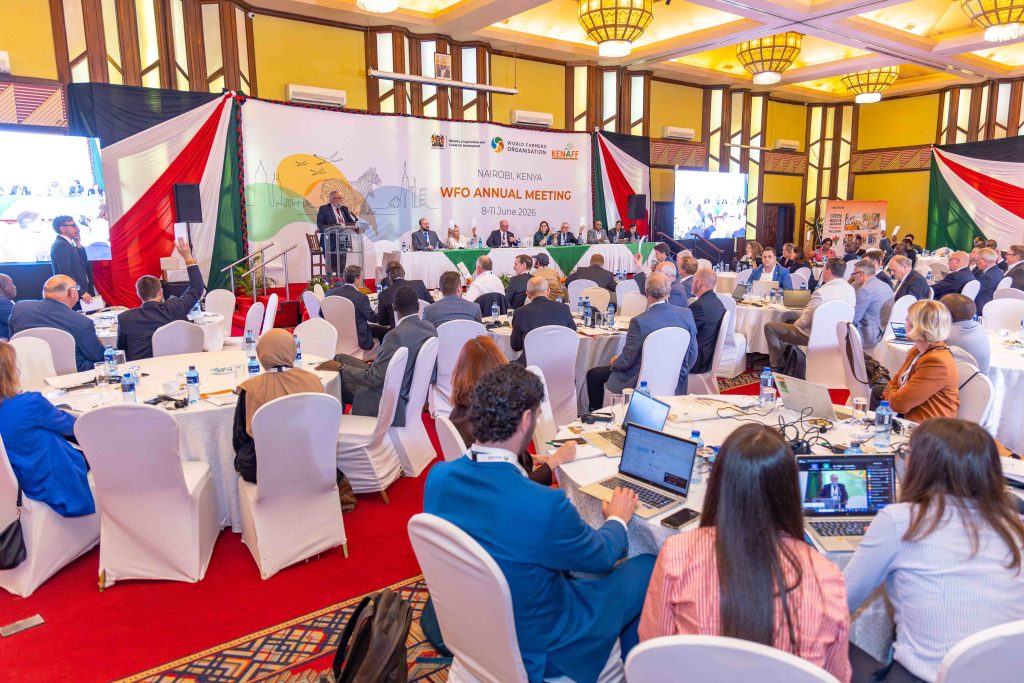
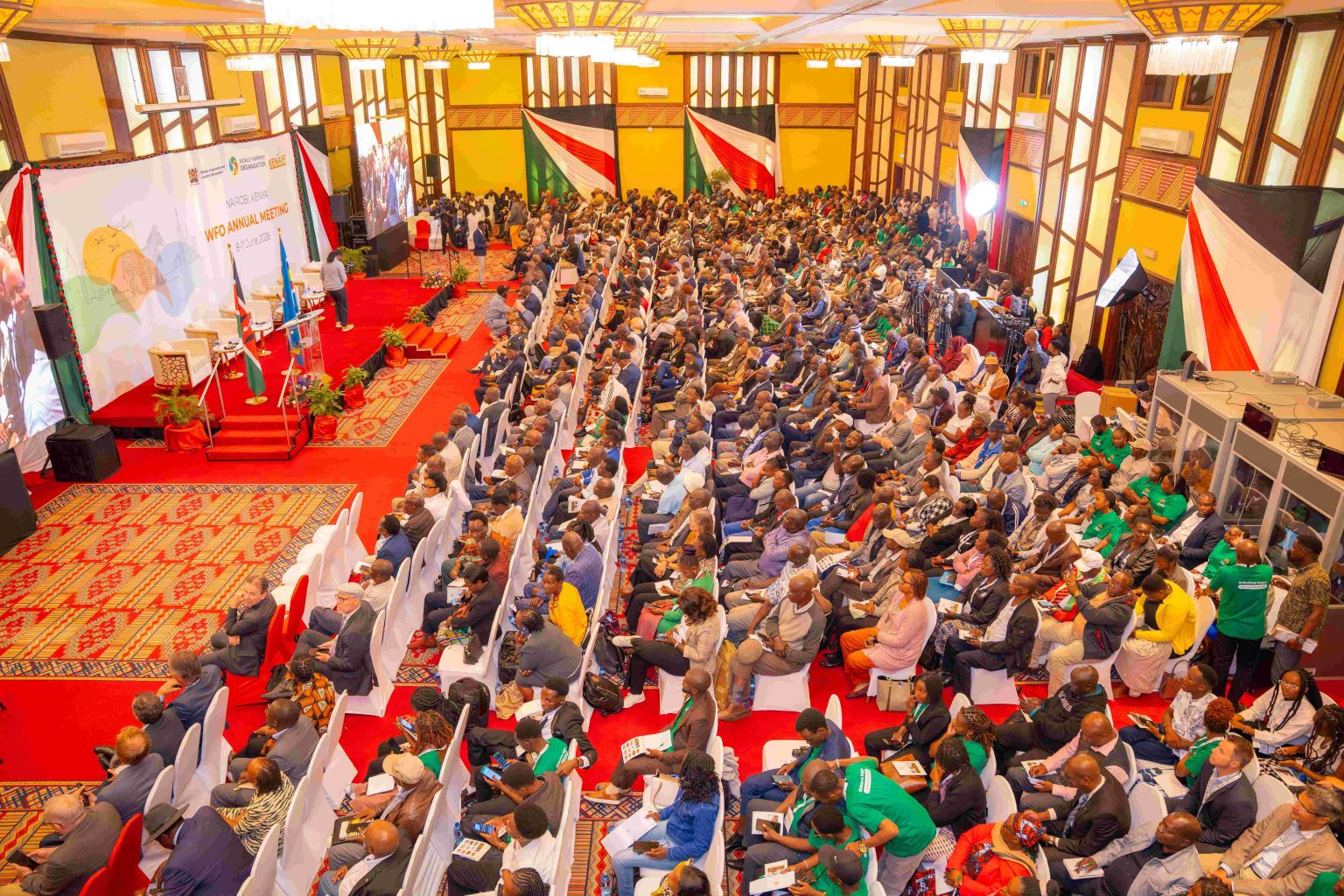
For four days in June, Nairobi wasn’t just a city on the map of global agriculture — it was the map. Delegates from roughly 90 countries filled the Safari Park Hotel for the 2026 World Farmers’ Organisation (WFO) General Assembly, and by the time the closing sessions wrapped, it was clear Kenya had done more than host a conference. It had claimed a seat at the head of the table.
Hosted by the Kenya National Farmers’ Federation (KENAFF) in partnership with the World Farmers’ Organisation (WFO), the Assembly brought together more than 1,000 delegates — farmers’ organisations, governments, development partners, researchers, financial institutions, agribusinesses and technology innovators. It was only the fourth WFO General Assembly ever held on African soil, and the first in Kenya’s history.
Held under the theme “Future Fields: Investing in Farmers’ Organisations and Empowering Communities for Sustainable Agriculture,” the gathering united its diverse audience around one shared conviction: farmers themselves — not just governments and development agencies — must remain at the centre of decisions shaping the future of global food systems.
Why Kenya, Why Now
The choice of host nation wasn’t incidental. Agriculture is Kenya’s economic backbone, contributing roughly 22 percent of GDP directly and another 27 percent indirectly through its links to manufacturing and trade. It generates more than 60 percent of the country’s export earnings and underpins the livelihoods of over 70 percent of the rural population. From world-class horticulture and floriculture to dairy, livestock, coffee, tea and a growing wave of agritech ventures, Kenya has built a track record of farmer-led innovation that made it a natural convener for this conversation.
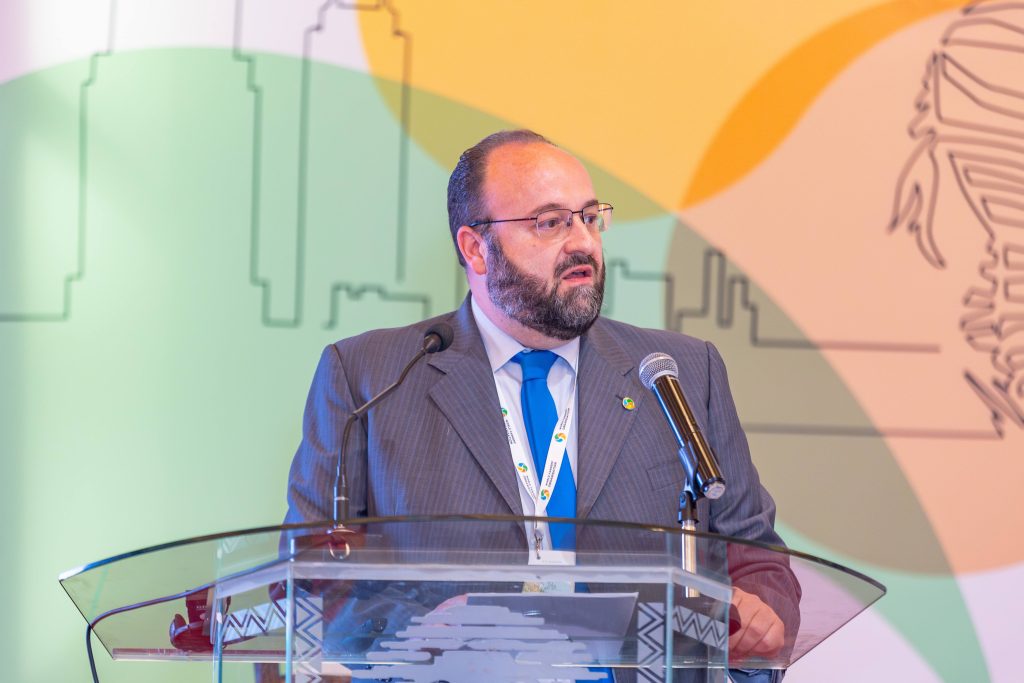
The outgoing WFO Secretary General, Andrea Porro framed the Assembly as a genuinely farmer-led platform for shaping policy from lived experience, stressing the importance of fair, dignified earnings for producers and making the sector more attractive to younger generations — themes that ran throughout the four days.
Built on Months of Listening
Long before the opening ceremony, KENAFF spent months gathering input from the ground up. Regional consultative forums in Nakuru and Eldoret brought together county leaders, farmer organisations, cooperatives, agribusinesses and value chain actors to surface the priorities that matter most to Kenyan producers — ensuring the country’s contribution to the global stage was rooted in what farmers were actually experiencing, not just what looked good in a communiqué.
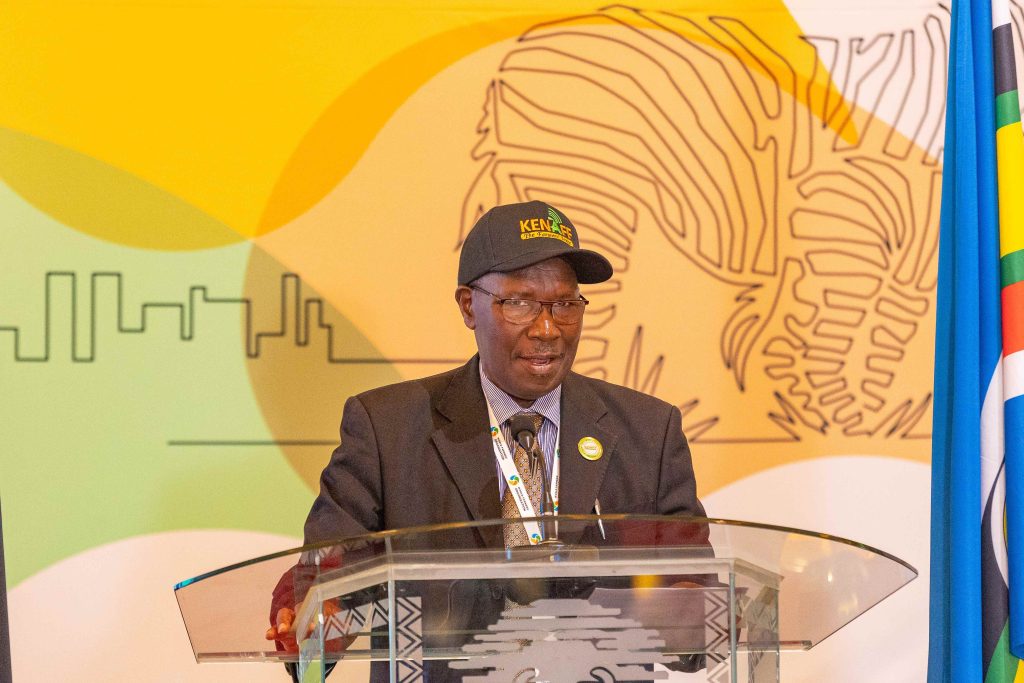
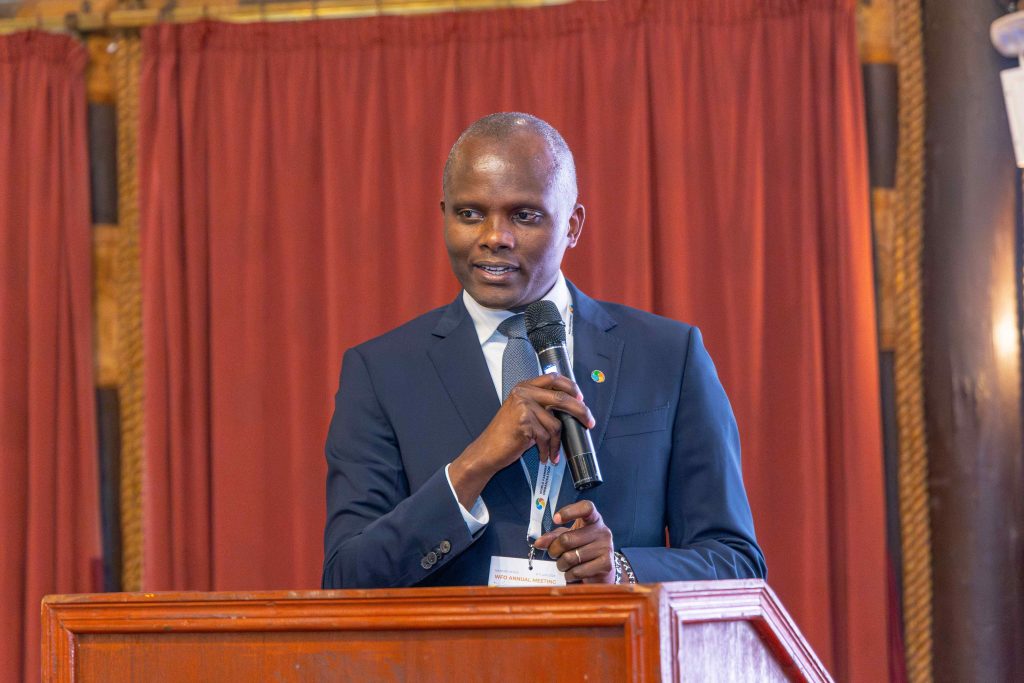
At the opening ceremony, KENAFF National Chairman Prof. Kaburu M’Ribu tied that grassroots process directly to the national conversation, noting that the meeting reflects Kenya’s economic transformation agenda while ensuring both smallholder and commercial farmers are represented in global policy discussions.
Four Days, One Throughline: Farmers First
Across the Assembly, delegates worked through some of agriculture’s thorniest challenges: climate adaptation, sustainable financing, fair and inclusive markets, land governance, digital transformation, youth employment, gender inclusion, water security and trade competitiveness. What tied the sessions together wasn’t any single fix, but a shared insistence that these issues be tackled as one interconnected system — with farmers, not just institutions, driving the solutions.
A theme that surfaced again and again: agriculture can no longer be treated as subsistence work at the margins of the economy. Delegates pushed for a reframing of farming as a modern, commercially viable, technology-enabled sector — one capable of generating real livelihoods and pulling in a new generation of entrepreneurs. It’s a shift that dovetails neatly with Kenya’s own ambitions to turn agriculture into a genuinely competitive economic engine rather than a fallback livelihood.
Innovation Took Centre Stage
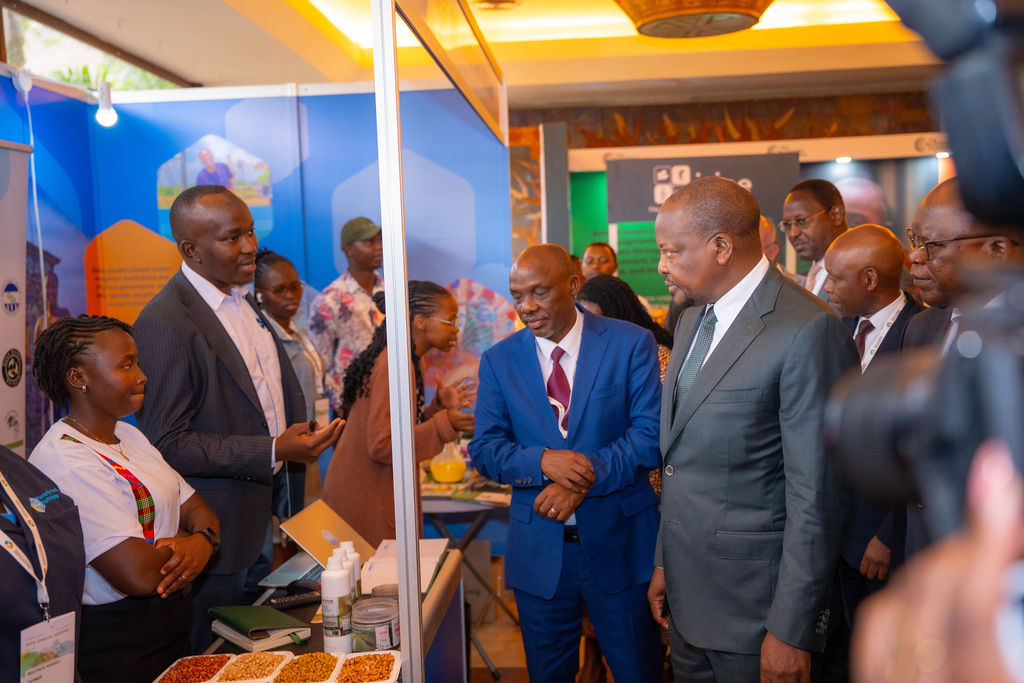
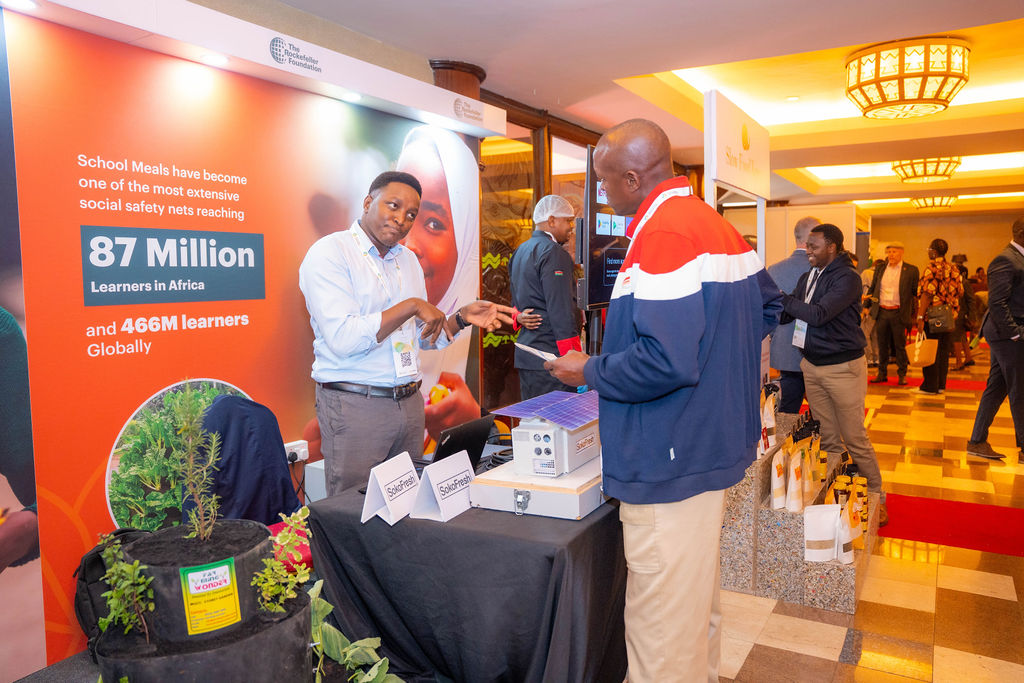
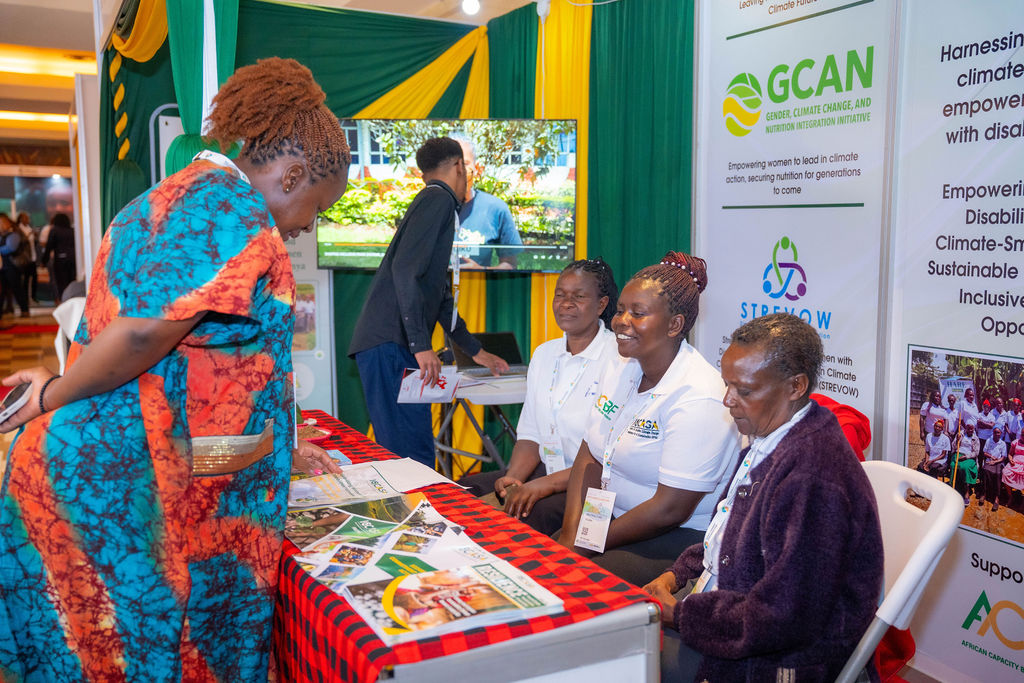
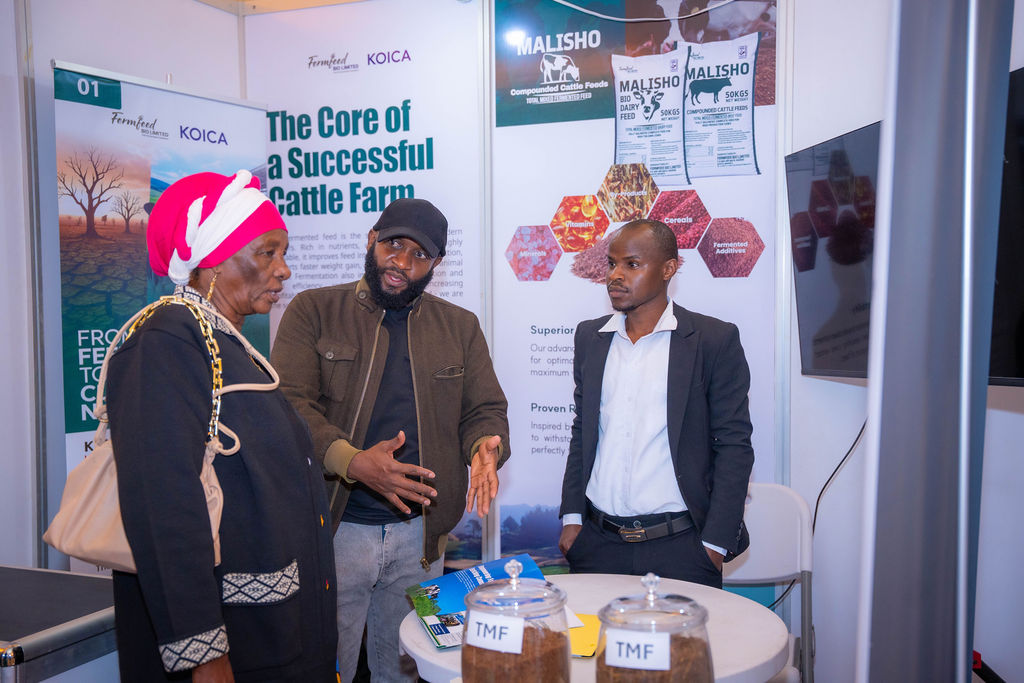
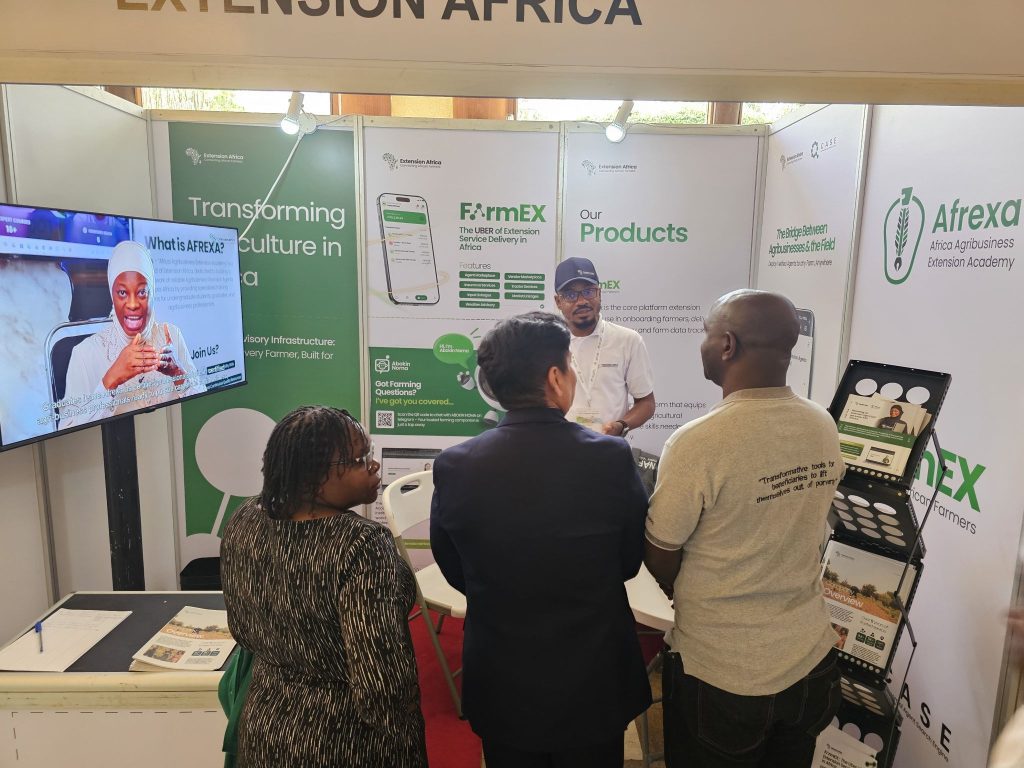
If there was a single space that captured the Assembly’s energy, it was the Innovation Marketplace — a showcase of technologies aimed at lifting productivity while building resilience against climate shocks and market swings. Delegates got hands-on with precision agriculture tools, AI-driven advisory systems, digital financial products, climate-smart farming techniques and market access platforms.
Partnerships That Outlast the Assembly
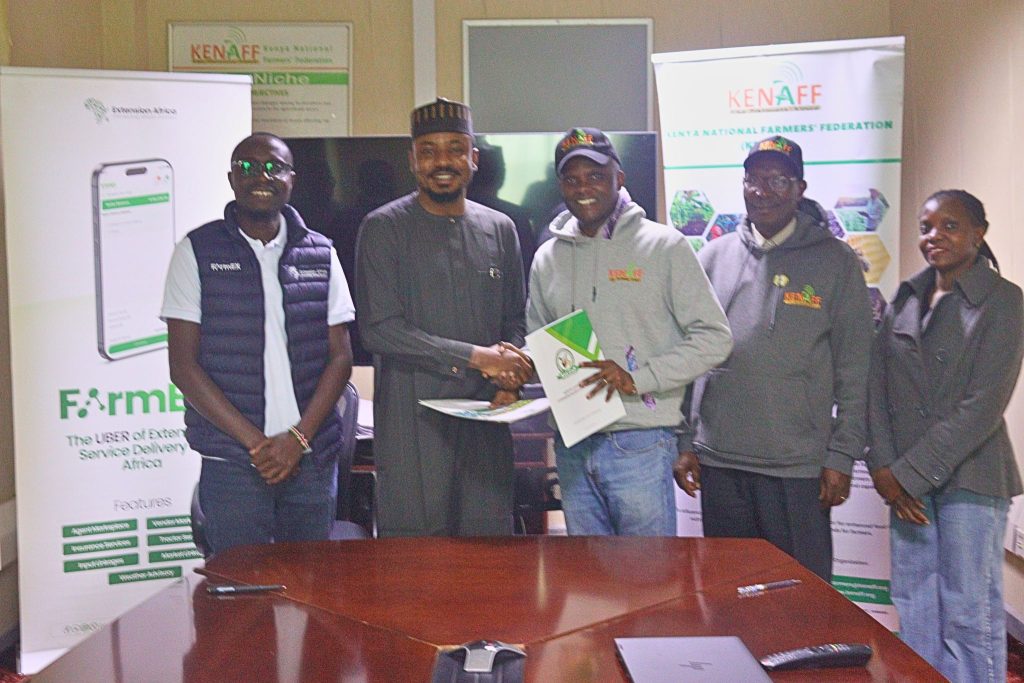
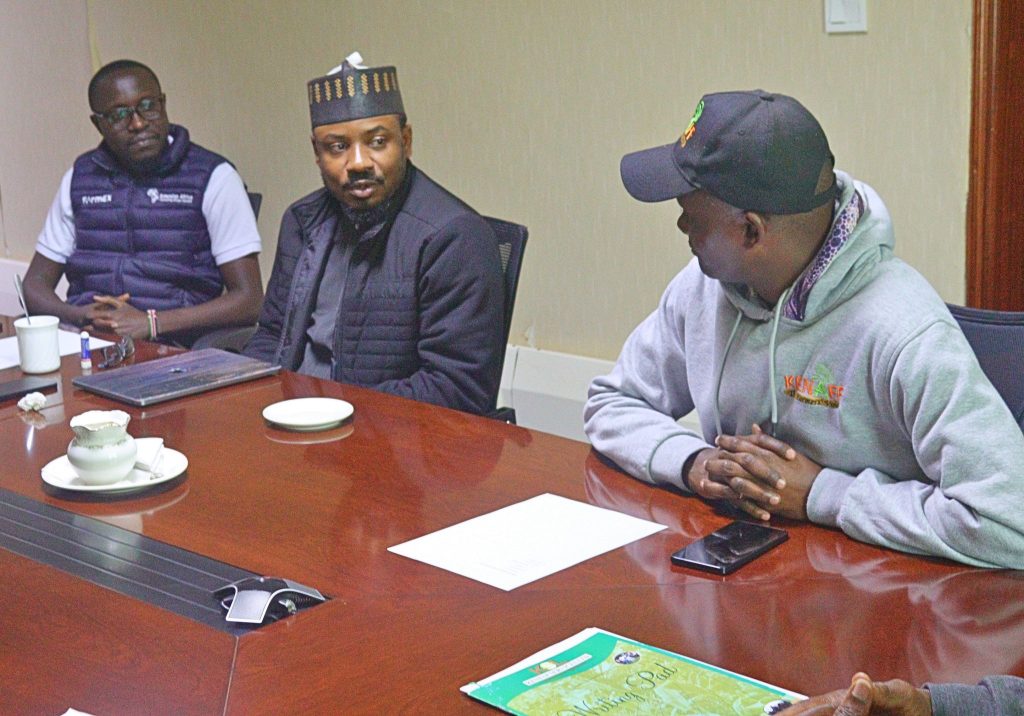
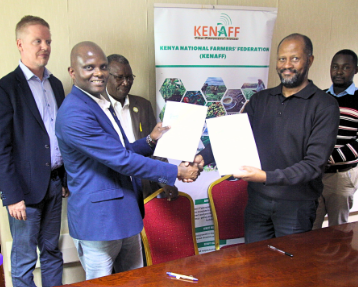
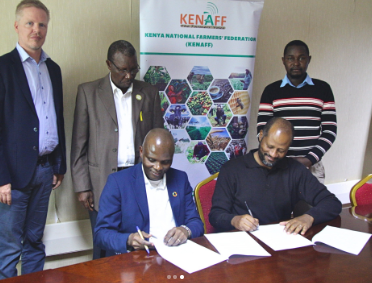
Conferences are judged less by the speeches delivered than by what’s still standing once everyone goes home — and this one produced tangible commitments. KENAFF signed a Memorandum of Understanding with Extension Africa to expand digital agricultural extension services through the FarmEx platform, aimed at giving farmers real-time access to advisory support, climate information, technical guidance and market intelligence.
It wasn’t an isolated deal. In the run-up to the Assembly, KENAFF also formalised a partnership with Agri-Q to widen farmer access to soil testing, extension services and mechanisation, and signed a five-year agreement alongside One Acre Fund and the Eastern Africa Farmers Federation to build regional systems that work for farmers at scale. Together, these agreements reflect a broader strategy: connecting Kenyan farmers to technology, capital and knowledge through partnerships that don’t expire when the delegates fly home.
A Milestone, Not a Moment
The real measure of the Assembly was never going to be delegate counts or the polish of the closing ceremony. It’s the partnerships formed, the investment unlocked, the policies nudged in a better direction, and the opportunities that reach farmers long after the last delegate has left Nairobi.
KENAFF Chief Executive Officer Dr. Daniel Mwendah M’Mailutha put it plainly: hosting the WFO General Assembly was more than an honour — it was a chance to demonstrate Kenya’s leadership in advancing farmer-centred solutions, building a stronger foundation through partnership, innovation and inclusive dialogue.
Today, KENAFF represents roughly 1.4 million farming households across all 47 counties. The organisation’s mandate — championing policy, forging partnerships and expanding opportunity — continues well past the closing gavel of this Assembly.
The 2026 WFO General Assembly will be remembered not simply as a successful international gathering, but as a marker in Kenya’s agricultural story. By putting farmers at the centre of global policy discussions, spotlighting home-grown innovation, and forging partnerships built to last, KENAFF showed that Kenya isn’t just participating in the global conversation on agriculture’s future — it’s helping write it.